

Turkey, Israel, and Strategic Competition Across the Red Sea Basin
Turkey - January 25, 2026
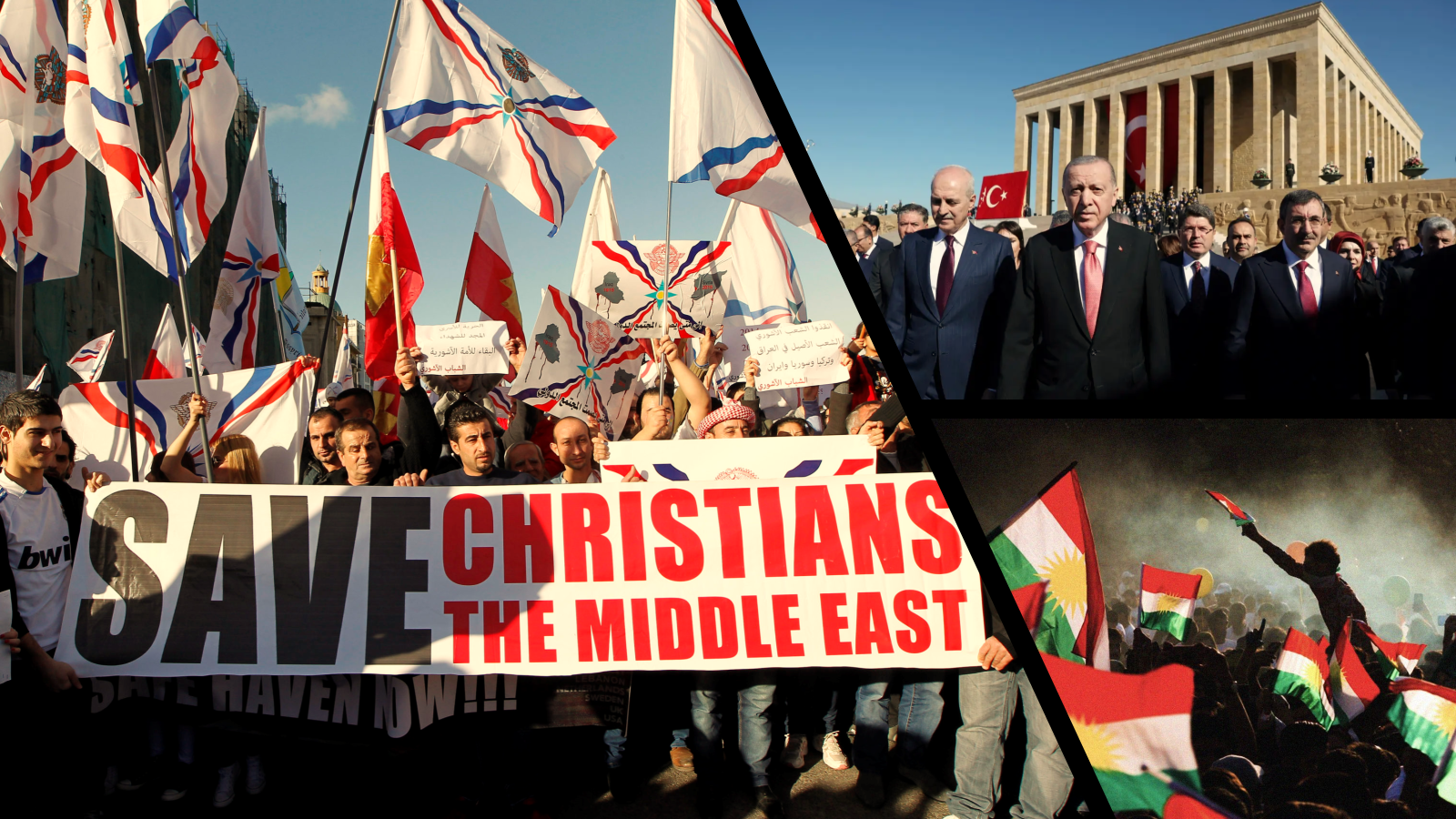
Power relations in the Middle East are undergoing a period of significant change. Israel’s recent decision to recognize Somaliland introduces an additional variable into the strategic environment of the Horn of Africa, with implications extending well beyond East Africa. While existing analyses have largely emphasized the extent to which this development constrains Turkey’s maritime ambitions in the Indian Ocean, a comprehensive assessment must also consider its secondary and tertiary effects, particularly with respect to Kurdish political dynamics and the security of indigenous communities—including Christian minorities—across Turkey, Iraq, Syria, and Iran.
Since the early 2010s, Turkey has sought to expand its presence in Somalia as part of its “Blue Homeland” (Mavi Vatan) doctrine, a maritime strategy aimed at extending Turkish influence from the Eastern Mediterranean through the Red Sea and into the Indian Ocean. Through sustained military, economic, and political engagement, Ankara positioned itself as a principal external actor along critical maritime corridors linking the Red Sea to the broader Indian Ocean basin.
Israel’s recognition of Somaliland in January 2026 represents a challenge to this strategic posture by introducing a new external stakeholder into what Turkey had previously regarded as a relatively stable sphere of influence. Somaliland’s geographic position, particularly the Port of Berbera, offers logistical and intelligence advantages that are of interest to Israel and its regional partners. At the same time, this development further integrates the Horn of Africa into the wider strategic rivalry among Israel, Iran, and Turkey, increasing the likelihood that existing regional tensions will extend into additional geographic theaters.
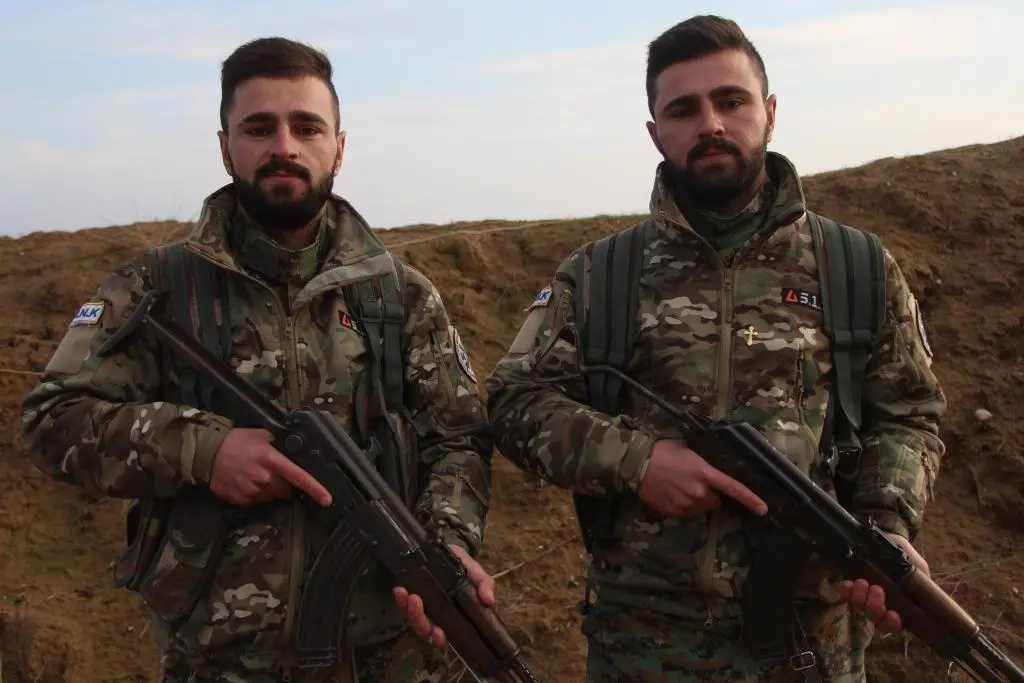
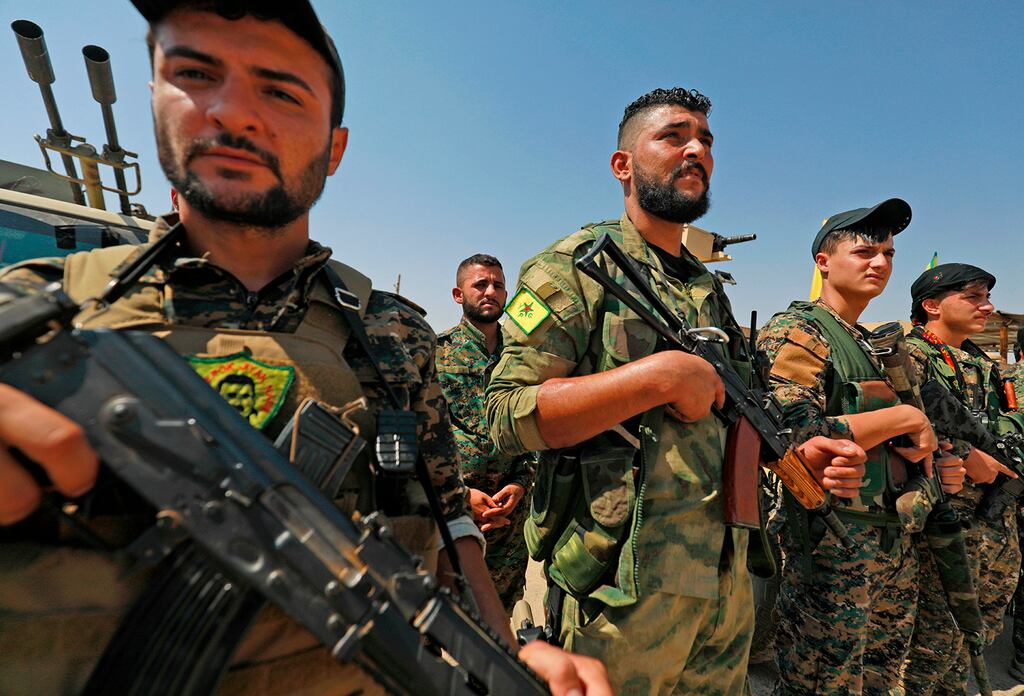
The consequences of this expansion are not limited to inter-state relations. They also intersect with longstanding internal fault lines, most notably the Kurdish question. Turkish state policy has historically treated any perceived alignment between Kurdish political actors and Israel as a serious security concern. Even limited or informal engagement between Israeli representatives and Kurdish entities—particularly in northern Iraq and northeastern Syria—has frequently elicited strong responses from Ankara, including military interventions, intensified security operations, and heightened nationalist discourse. Recent calls by Kurdish actors in Turkey for Israeli support against the Turkish-backed Syrian government illustrate the persistence of these sensitivities.
As Turkey confronts increasing strategic pressure from Israel’s expanding regional presence, from Iran-aligned militias, and from strained relations with Western partners, it may seek to manage these challenges through internal securitization. In such circumstances, Kurdish populations may be framed as proxies within a broader geopolitical contest. Perceived or alleged Kurdish alignment with Israel may serve to legitimize expanded security measures in southeastern Turkey, increased cross-border operations in Iraq and Syria, and further constraints on Kurdish political participation.
These dynamics have broader implications for non-Kurdish communities. In both Iraq and Syria, Kurdish-administered areas have historically included significant populations of Chaldean Syriac Assyrians, the indigenous Christian community of the region. Periods of intensified Turkish–Kurdish confrontation have repeatedly affected this population. Any escalation targeting Kurdish regions, particularly under the justification of countering Israeli influence, risks destabilizing already fragile local environments and increasing the vulnerability of Christians to displacement and violence. In recent years, Turkish military operations in the Kurdistan Region of Iraq, where many Assyrians reside, have resulted in civilian casualties, property damage, and heightened insecurity.
Within Turkey itself, periods of deteriorating relations with Israel have often coincided with increased nationalist and Islamist mobilization. Such political climates tend to heighten social and institutional pressures on minority communities. Assyrians in southeastern Anatolia are particularly exposed, given their position at the intersection of ethnic, religious, and geopolitical contestation.

Comparable patterns are observable in Iran. Iranian authorities have long accused Kurdish movements of facilitating Israeli influence, and heightened tensions with Israel frequently coincide with increased Kurdish activism followed by intensified state repression. Christian minorities in Iran, particularly Assyrians and Armenians, often experience indirect repercussions during such periods, including expanded surveillance and administrative restrictions, due to perceived external affiliations.

International reactions to Israel’s recognition of Somaliland reflect these wider concerns. Statements of opposition from the African Union, the Organization of Islamic Cooperation, and Somalia’s federal government underscore apprehensions that the move may contribute to further fragmentation and militarization in an already unstable region. Turkey’s relatively restrained public response toward the United Arab Emirates, despite Abu Dhabi’s role in facilitating Israel–Somaliland engagement, highlights Ankara’s economic interdependencies and the structural constraints shaping its foreign policy options.
Taken together, these developments point to the gradual expansion of a strategic confrontation arc extending from the Levant to the Horn of Africa. As this arc widens, unresolved internal issues, particularly the Kurdish question, risk being increasingly reframed as external security threats. Historical experience suggests that such reframing often results in disproportionate costs for indigenous and minority communities.
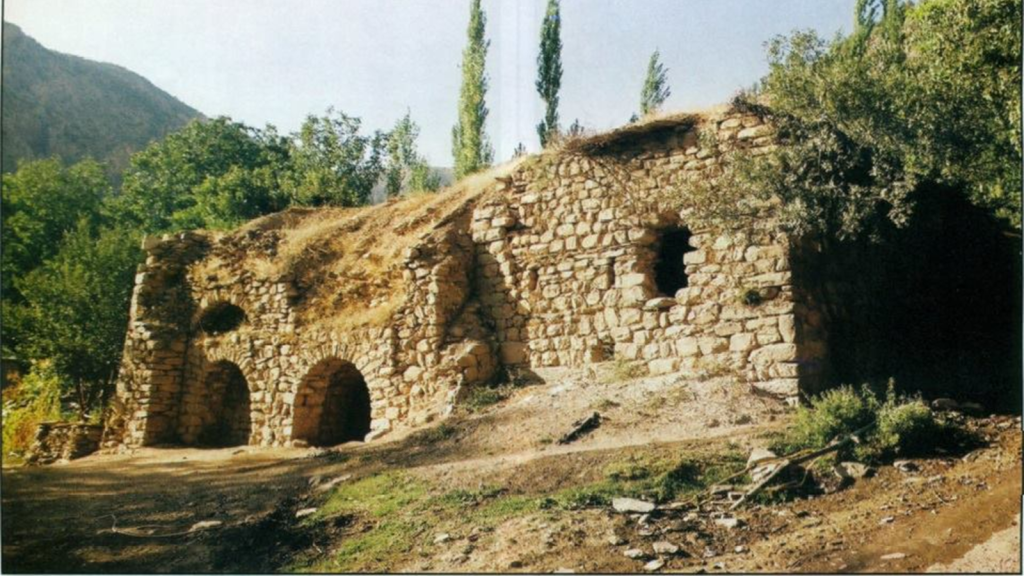
Accordingly, a rigorous strategic assessment must move beyond zero-sum interpretations of regional competition. The Israel–Somaliland alignment, Turkey’s policy responses, and evolving Kurdish dynamics are interrelated processes whose interaction may intensify repression, displacement, and insecurity for Kurdish and Christian populations alike, leading to further flight into the West of native Middle Eastern Christians. Absent sustained efforts toward de-escalation and minority protection, the long-term human consequences of these strategic realignments may exceed their immediate geopolitical advantages and generate instability extending beyond the Middle East.