

January 26, 2025
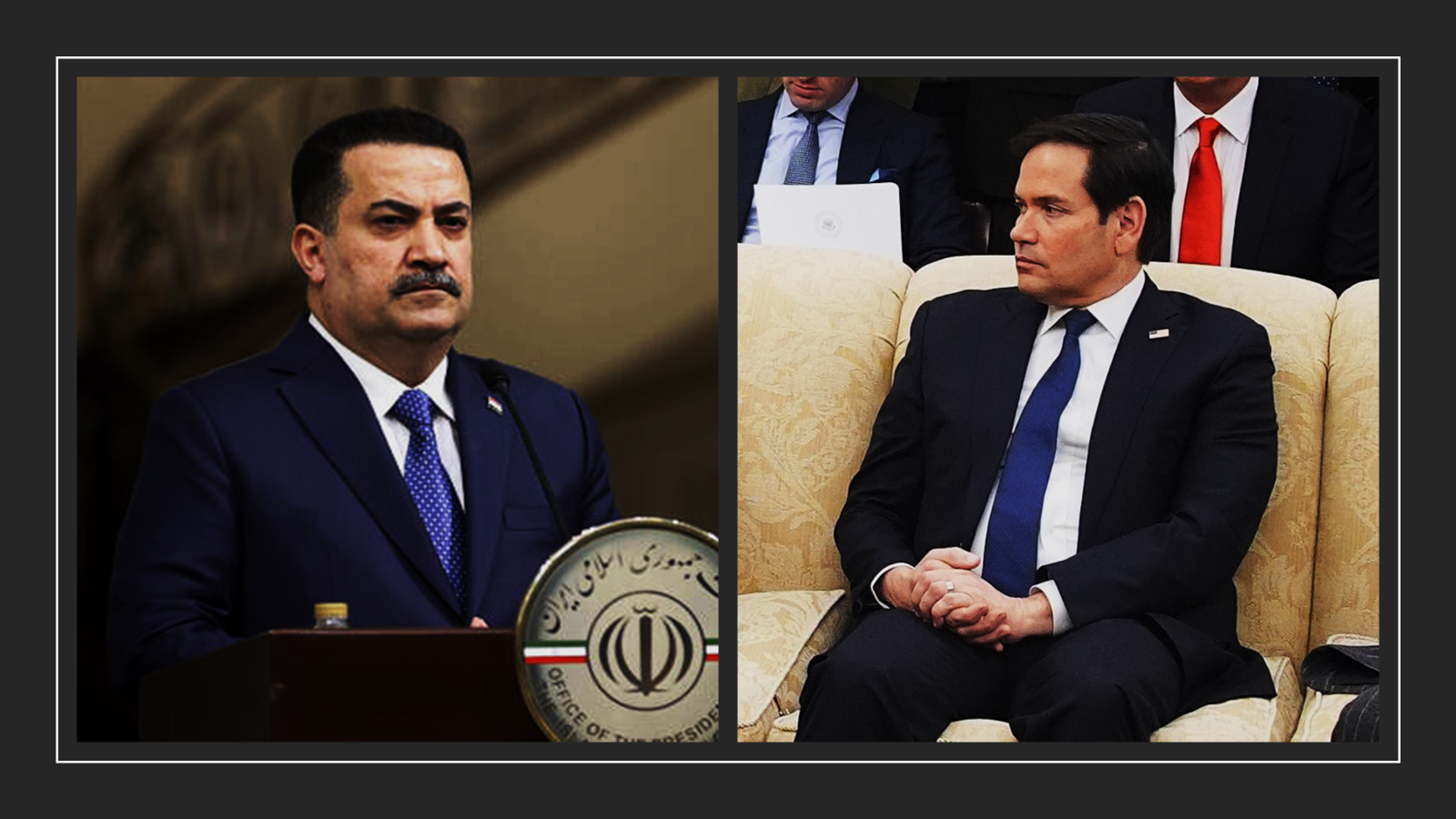
Washington DC - United States Secretary of State Marco Rubio held a phone call with Iraqi Prime Minister Mohammed Shia al-Sudani on Sunday, focusing on regional security, the transfer of ISIL (ISIS) detainees from Syria to Iraq, and rising tensions between Washington and Tehran.
According to the U.S. Department of State, Rubio commended Baghdad for its role in expediting the transfer and detention of ISIS fighters, describing it as an important step in counterterrorism cooperation. The call followed a U.S. military announcement that the first 150 detainees had been moved from a detention facility in Hasakah, Syria, to a secure location in Iraq, with plans to transfer up to 7,000 individuals as control on the ground in Syria shifts.
The detainee transfer reflects a broader recalibration of U.S. policy in Syria. After years of relying on the Kurdish-led Syrian Democratic Forces, Washington is now coordinating with Syria’s new government following the ouster of President Bashar al-Assad in late 2024. The Iraqi government has not publicly commented on the Rubio–Sudani conversation.
Rubio’s outreach also came amid political uncertainty in Baghdad, with expectations of a potential return of former prime minister Nouri al-Maliki. The U.S. secretary stressed that Iraq’s long-term stability depends on maintaining political independence from Iran, warning that excessive Iranian influence would undermine Iraq’s sovereignty and its strategic partnership with the United States.
In parallel, Chaldean Syriac Assyrian organizations in the United States are deeply concerned about the future of Iraq’s indigenous Christian communities, who were disproportionately targeted prior to and during the rise of ISIS and remain vulnerable amid ongoing instability. These concerns have gained renewed attention following President Donald Trump’s appointment of Mark Savaya, a Chaldean American, as U.S. special envoy, signaling a heightened focus on protection of Christians in Iraq and the wider region.
Meanwhile, tensions between the United States and Iran continue to escalate. Washington has moved additional military assets into the Middle East, with President Trump stating that a significant naval force is heading toward the Gulf. Iran has warned it will respond forcefully to any further aggression, raising broader regional concerns about escalation and its potential consequences for already fragile states such as Iraq.