

January 27, 2026
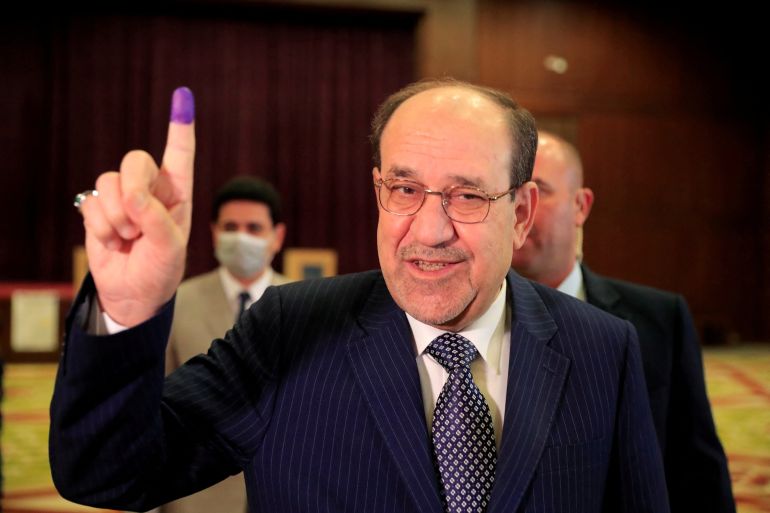
Washington / Baghdad — President Donald Trump has issued a sharp warning to Iraq’s political leadership, signaling that American support for Baghdad could be significantly reduced—or halted altogether—if Nouri al-Maliki were to return as prime minister. His remarks come as Iraq faces renewed political uncertainty, rising regional pressures linked to Iran, and deepening anxiety among the country’s remaining Christian communities.
In a post on Truth Social, Trump described reports of Maliki’s possible comeback as a “very bad choice,” invoking the legacy of Maliki’s previous tenure from 2006 to 2014. Trump argued that Iraq’s descent into instability, sectarian polarization, and institutional collapse during those years laid the groundwork for the rise of ISIS and the near disintegration of the Iraqi state.
“Last time Maliki was in power, the country descended into poverty and total chaos,” Trump wrote in his typical bombastic tone, adding that Washington would be unwilling to underwrite a repeat of that period. He framed U.S. assistance not as unconditional, but as contingent on Iraqi leadership choices aligned with stability, sovereignty, and pluralism. In typically blunt fashion, Trump warned that without American backing, Iraq’s prospects for “success, prosperity, or freedom” would be bleak.
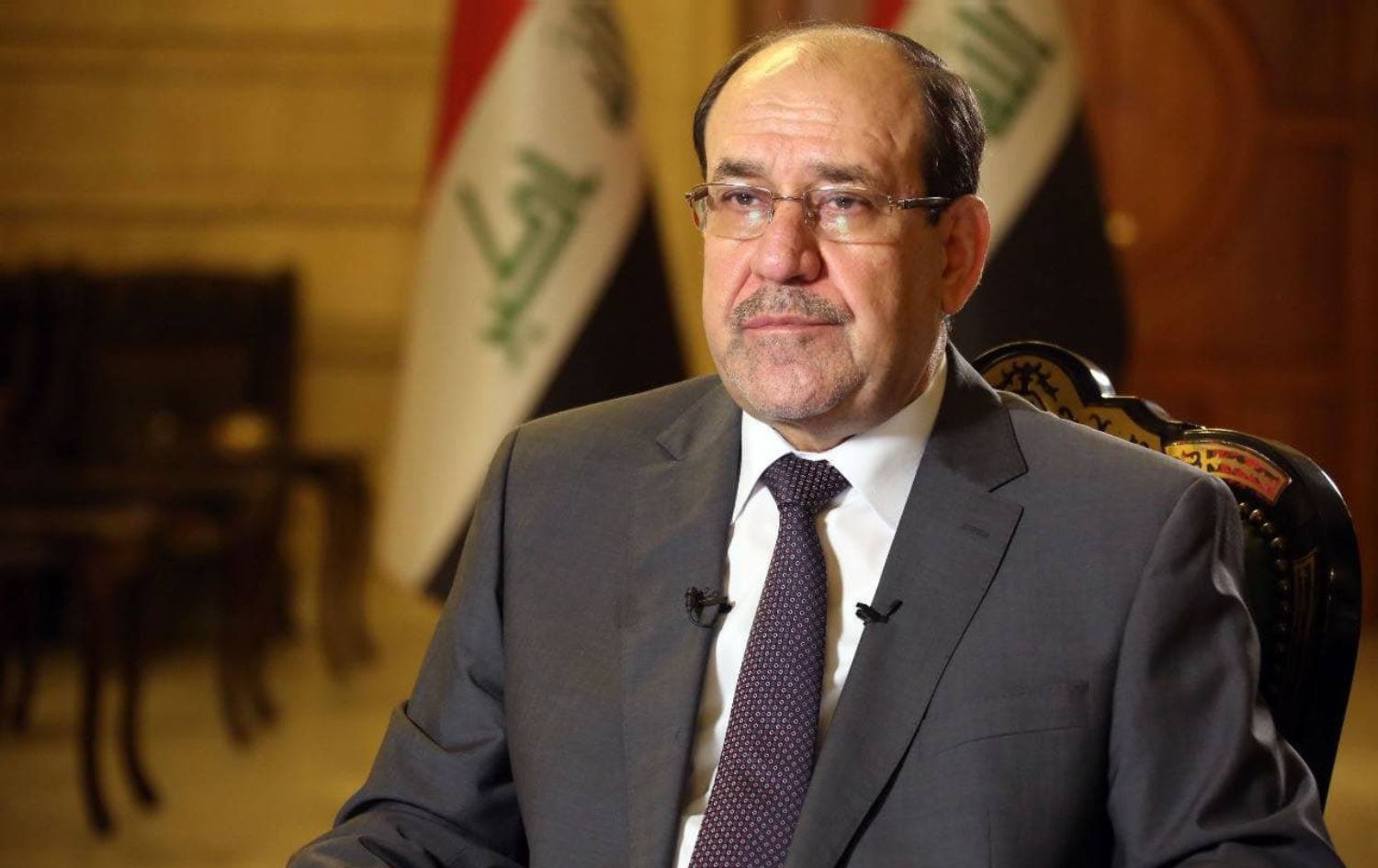
On the ground in Iraq, the warning resonates beyond elite politics. Maliki’s years in office remain closely associated with the erosion of state protections, the politicization of security forces, and the collapse of trust between communities. For Iraqi Christians—Chaldean Syriac Assyrians—the Maliki era is remembered as a prelude to catastrophe. State weakness, sectarian governance, and the hollowing out of the national army directly preceded the ISIS onslaught that emptied historic Christian towns across the Nineveh Plain and Mosul.
While many Christians have returned in limited numbers since ISIS’s defeat, their situation remains fragile as they struggle to have Article 125 of the Iraqi constitution (giving them administrative autonomy) enforced. Armed groups operating outside full state control, demographic pressures, unresolved property disputes, and uneven reconstruction continue to drive emigration. Any perception of a renewed hardline, Iran-aligned government in Baghdad raises fears of a backlash from the US and Israel.
Trump’s comments also reflect his broader view of Iraq as a state that must decisively assert independence from Tehran. Maliki is widely seen in Washington as emblematic of Iraq’s drift toward Iran during the post-2011 period, particularly after the U.S. military withdrawal. For Trump and his allies, a Maliki return would signal not experience, but regression; politically, economically, and strategically.
The immediate trigger for Trump’s remarks was the Coordination Framework, a Shiite-led political alliance, which has reportedly put forward Maliki as a potential candidate, citing his administrative background and prior leadership. The move has sparked concern among Iraqi reformists, Sunni leaders, Kurds, and minority representatives, many of whom view Maliki as a polarizing figure incapable of rebuilding national consensus.
For Chaldean Syriac Assyrian Christians and other vulnerable communities, the stakes are existential. U.S. engagement, whether through diplomatic pressure, aid conditionality, or minority advocacy, has often served as one of the few external checks on Baghdad’s worst impulses. Trump’s warning suggests that Washington’s patience is limited, and that future support will hinge not only on counterterrorism cooperation, but on governance choices that protect Iraq’s plural social fabric.
As Iraq navigates yet another critical political juncture, Trump’s message underscores a reality long understood on the ground: leadership matters, history matters, and for Iraq’s minorities, the cost of repeating past mistakes may be irreversible.