
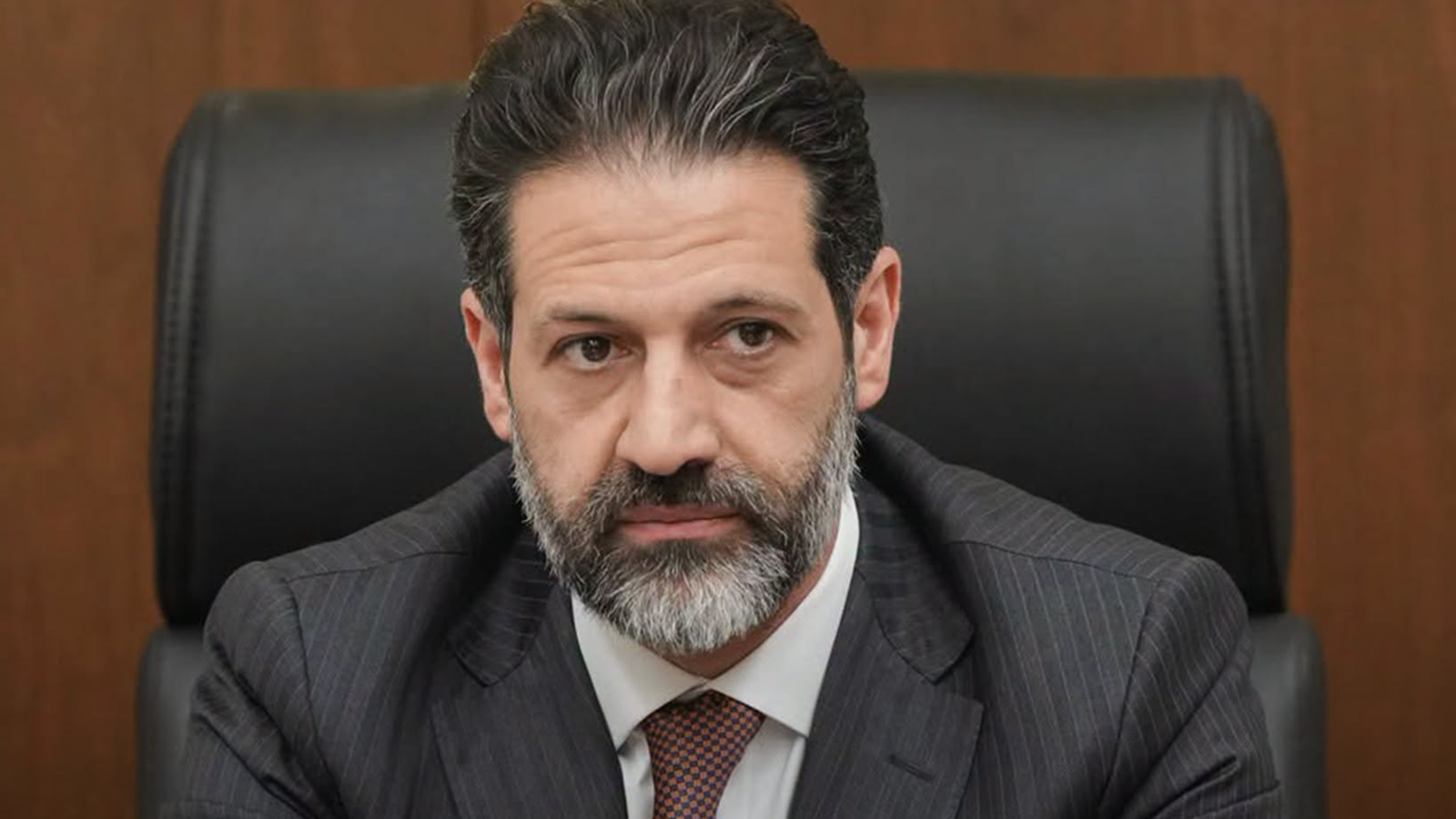

Qubad Talabani's call for decentralization raises important questions about political power, regional influence, and the future of indigenous communities in Iraq
The recent remarks by Qubad Talabani, Deputy Prime Minister of the Kurdistan Regional Government (KRG) and a senior figure in the Patriotic Union of Kurdistan (PUK), deserve more attention than they might initially appear to warrant. Speaking at a press conference on the sidelines of the Slemani Strategic Forum on November 13, 2026, Talabani challenged the concentration of political and administrative authority in Erbil.
"Erbil does not belong to anyone's father," he declared, arguing that decision-making should not be monopolized by a centralized authority. He called for greater administrative powers to be transferred to Sulaymaniyah, Halabja, Garmian, Raparin, and Duhok, allowing local administrations to address their own communities' needs.
His remarks must be understood against the longstanding rivalry between the two principal Kurdish political organizations: the Kurdistan Democratic Party (KDP), historically dominant in Erbil and Duhok, and the PUK, whose principal political base is Sulaymaniyah. Although both participate in the Kurdistan Regional Government, their political, administrative, and security structures have never been entirely unified. The rivalry has periodically affected government formation, public administration, security coordination, and relations with Baghdad.
Indeed, the United States Congressional Research Service has documented the persistence of separate KDP- and PUK-aligned security forces and the difficulties Washington has encountered in encouraging their unification. The delayed formation of a new KRG cabinet following the October 2024 regional elections further illustrates the institutional consequences of this rivalry.
This is not simply a Kurdish internal political dispute. It has implications for the future of Iraq, the balance of power in the Middle East, and the position of Assyrians and other indigenous communities.
Washington's strategic interests in Iraq's Kurdistan Region
The United States has maintained a significant relationship with the Kurdish political leadership for more than three decades. Following the 1991 Gulf War, Washington helped establish the conditions that allowed Iraqi Kurds to develop a protected political and administrative environment. After the 2003 invasion of Iraq, the relationship deepened, particularly through security cooperation and the subsequent campaign against ISIS.
For Washington, the Kurdistan Region has served several strategic purposes: counterterrorism cooperation, regional security, intelligence gathering, military coordination, and maintaining influence in northern Iraq. The American relationship with both the KDP and PUK is therefore important, although Washington's engagement has not always been evenly distributed between the two.
American policy has generally supported a stable federal Iraq rather than Kurdish independence. It has also sought to mediate disputes between Baghdad and Erbil involving oil revenues, budget allocations, disputed territories, and security arrangements.
Consequently, any significant redistribution of authority within the KRG is relevant to American policymakers. A more decentralized Kurdistan Region could alter the relationship between Erbil, Sulaymaniyah, Baghdad, and Washington. It could also change the political environment in which smaller communities negotiate their rights and protect their interests.
Assyrians should understand that American support for the Kurdish leadership is based primarily on strategic and security considerations. It should not automatically be interpreted as support for every policy adopted by the KRG or its constituent political parties. Nor should Assyrians assume that Washington's strategic relationship with Erbil necessarily translates into effective protection of Assyrian political, cultural, and territorial rights.
Israel and the historical Kurdish relationship
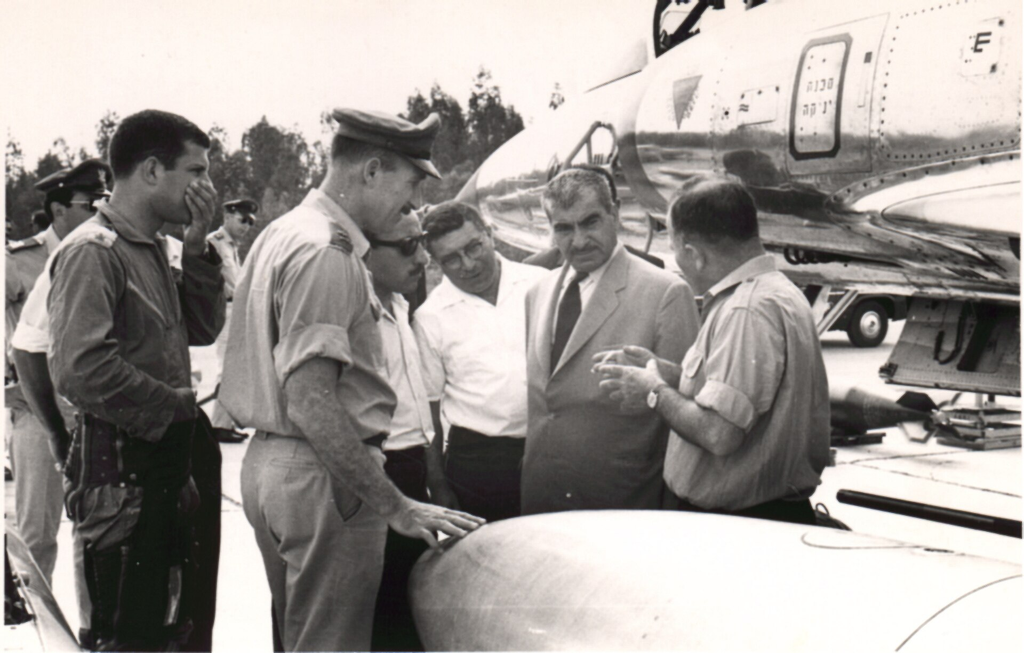
Israel's relationship with the Iraqi Kurdish movement is another dimension that deserves attention. Israeli-Kurdish contacts date back to the 1950s, with their relationship becoming particularly significant during the 1960s and 1970s. Israel viewed the Kurdish movement as a potential strategic partner against the Iraqi Ba'athist government, which was hostile to Israel. Historical research and declassified records document Israeli assistance to Kurdish forces, including military training, arms, and other forms of support during that period.
This relationship was part of Israel's broader regional strategy, sometimes described as the peripheral alliance doctrine: developing relationships with non-Arab states and minority communities that could counterbalance hostile regional powers.
The relationship became particularly visible again in 2017, when Israel expressed support for the Kurdish independence referendum organized by Masoud Barzani's KRG. The referendum, however, was opposed by Baghdad, Turkey, Iran, and the United States, among others. Its aftermath demonstrated the limitations of external political support when it conflicts with the strategic calculations of neighboring states and major international powers.
It is important not to confuse this historical relationship with proof of direct Israeli involvement in the current KDP-PUK dispute. There is no basis, from Talabani's reported remarks alone, to conclude that Israel is directing or influencing his decentralization proposal.
Nevertheless, Israel's historic interest in Kurdish political developments, its security concerns regarding Iran and its regional allies, and its broader strategic calculations make the Kurdish question relevant to Israeli policy.
For Assyrians, the lesson is that regional powers do not necessarily approach Iraq's political questions from the perspective of indigenous rights. They approach them primarily through their own national security and geopolitical interests. Assyrian political leaders and organizations must therefore develop their own understanding of these relationships rather than assume that an alliance between two other parties will automatically benefit the Assyrian people.
Why these developments matter to Assyrians
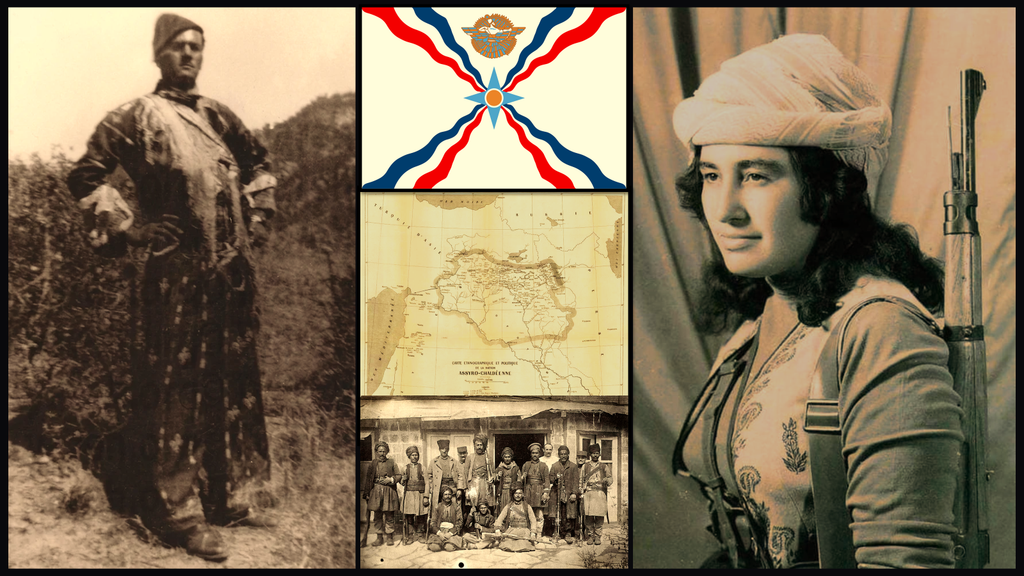
From the early days of the Kurdish rebellion in Iraq, Assyrians have played a significant role in it and contributed to its cause. Although this often goes unrecognized in public today, the Kurdish leadership is not unaware of it. Perhaps the most important consequence of Talabani's statement is the question it raises about decentralization itself and its impact on the Assyrians. If the principle that Sulaymaniyah, Halabja, Garmian, Raparin, and Duhok should exercise greater authority over their own affairs is legitimate, then the same principle deserves serious consideration when discussing the rights of Assyrians in their ancestral communities.
Assyrians are not simply a religious minority in Iraq. They are an indigenous people with an ancient and continuous historical presence in Mesopotamia. Their communities in the Nineveh Plain and northern Iraq have experienced displacement, demographic decline, land disputes, political marginalization, and the destruction of their towns and villages.
The experience of the Nineveh Plain is particularly relevant. Over the years, Assyrian political organizations have advocated for an administrative arrangement that would allow the indigenous population to manage its local affairs, participate meaningfully in government, and exercise greater control over its security and development.
Article 125 of the Iraqi Constitution explicitly recognizes the administrative, political, cultural, and educational rights of nationalities including Chaldeans, Assyrians, and Turkmen. Yet constitutional recognition has not translated into the full implementation of those rights.
The establishment of a Nineveh Plain administrative region or governorate, within the framework of a federal Iraq, remains an important political aspiration for many Assyrians. Such an arrangement should be developed through genuine local participation, constitutional procedures, and guarantees protecting the rights of all communities living in the area.
The developments within the KRG should therefore prompt Assyrians to ask an important question: If political decentralization is being advocated as a means of making government more accountable to local populations, why should the same principle not be seriously examined for the indigenous communities of the Nineveh Plain, Nala and other Assyrian/Chaldean/Syriac areas?
This is not an argument against Kurdish self-administration. It is an argument for consistency in recognizing the political and administrative rights of all indigenous communities.