

February 28 2026
I. A Region on Edge: U.S.-Israel Strikes and Escalation
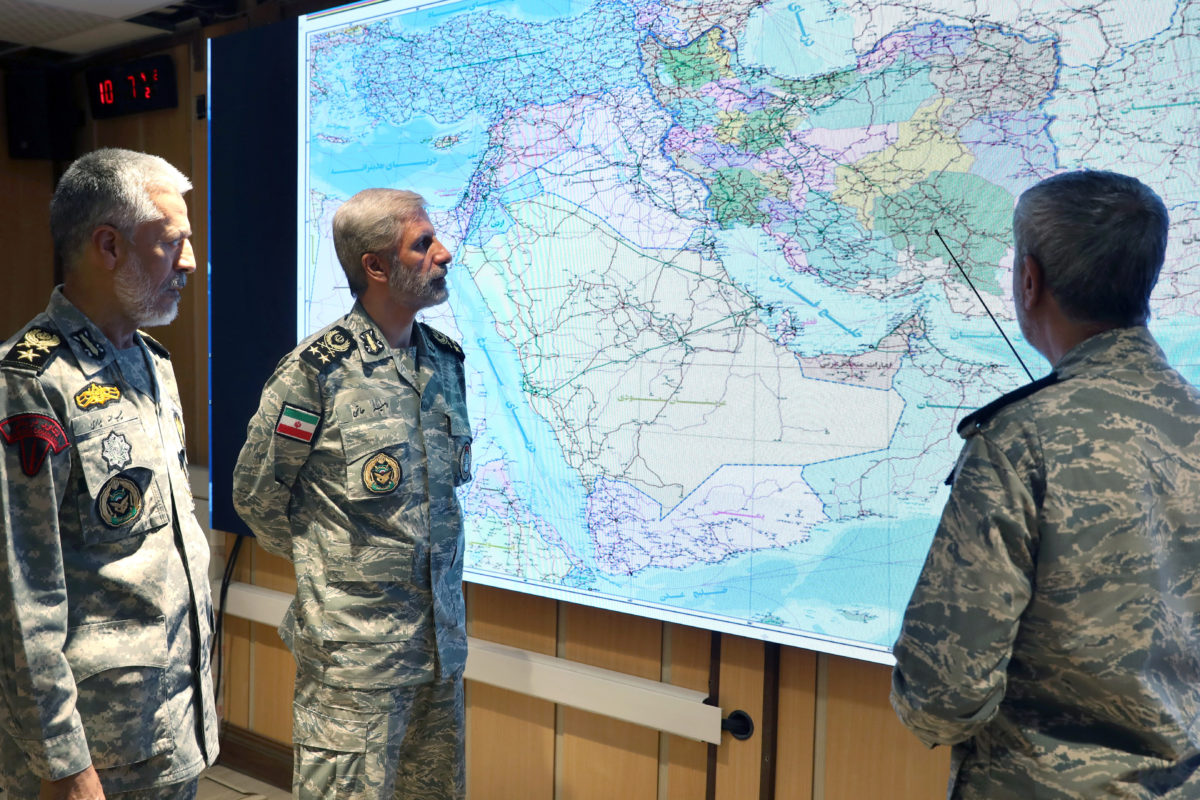
On February 28, 2026, the United States and Israel launched a large-scale military offensive against the Islamic Republic of Iran, described by Washington as aimed at neutralizing Iranian nuclear and missile capabilities and by Tehran as a violation of its sovereignty. The attacks, dubbed Operation Epic Fury, targeted military infrastructure and high-value sites, prompting Iran to retaliate with missile and drone strikes against U.S., Israeli, and allied positions across the Middle East.
The strikes marked a dramatic escalation from the proxy tensions that have characterized the region for years. International reactions have been deeply polarized, with some Western governments defending the operation and others warning that it risks drawing the Middle East into a broader, protracted war.
Domestically in the United States, lawmakers from both parties have criticized the action as an illegal war launched without Congressional approval, triggering constitutional debate over executive war powers. In addition, many blame President Trump for having promised to be the 'peace president,' while following the very neocon policies he criticized during his presidential campaign.
United Nations human rights officials and global humanitarian organizations have also warned that civilians across the region, not just combatants, will bear the brunt of escalation.
II. Assyrians Caught Between Regional Fault Lines
Chaldean Syriac Assyrians are spread across Iran, Iraq, Syria, and Lebanon, countries that already face chronic instability, sectarian competition, and the influence of external powers.
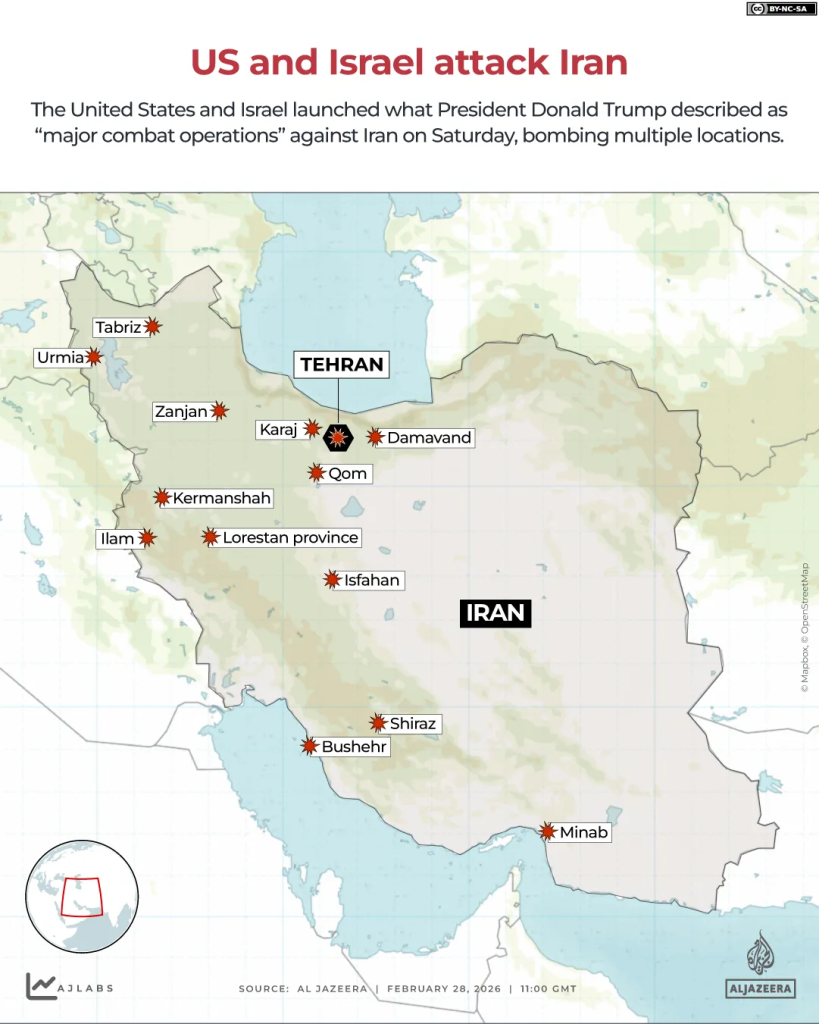
Iran
Christians in Iran, including Assyrians, have long navigated a difficult official environment marked by restrictions on religious freedom and periodic crackdowns. The protests that swept Iran in 2025, culminating in state repression and mass detentions, already imposed severe strain on Iranian civil society.
In the context of the current war, Assyrians in Iran face compounded vulnerabilities:
- Security risks from indiscriminate strikes and retaliatory fire;
- State suppression under emergency measures; and
- Societal marginalization, as political narratives escalate nationalist pressure and suspicion toward minorities, particularly Christian groups who have coreligionists in the West.
Should the conflict expand territorially, already precarious communities could face direct violence, forced displacement, or renewed repression, particularly in western and border provinces where Christian minorities are present.
Iraq
In Iraq, Chaldean Syriac Assyrians, primarily concentrated in the Nineveh Plains and Baghdad, continue to recover from the IS territorial conquest in 2014 and ongoing insurgent violence.
The new U.S.–Iran confrontation could:
- Reawaken militia rivalries: Iran-aligned Shia militias (some present in Iraq’s political landscape) could be mobilized against U.S. forces, reigniting conflict in Iraqi cities and towns.
- Destabilize governance: Renewed violence may undermine fragile Iraqi state institutions, which still struggle to protect minorities.
- Cause displacement: Fresh insecurity could compel vulnerable Assyrians to seek refuge abroad once again.
Iraq’s Christian communities have historically been victims of sectarian violence and insurgencies; a broader Middle East war could easily reignite similar crises.
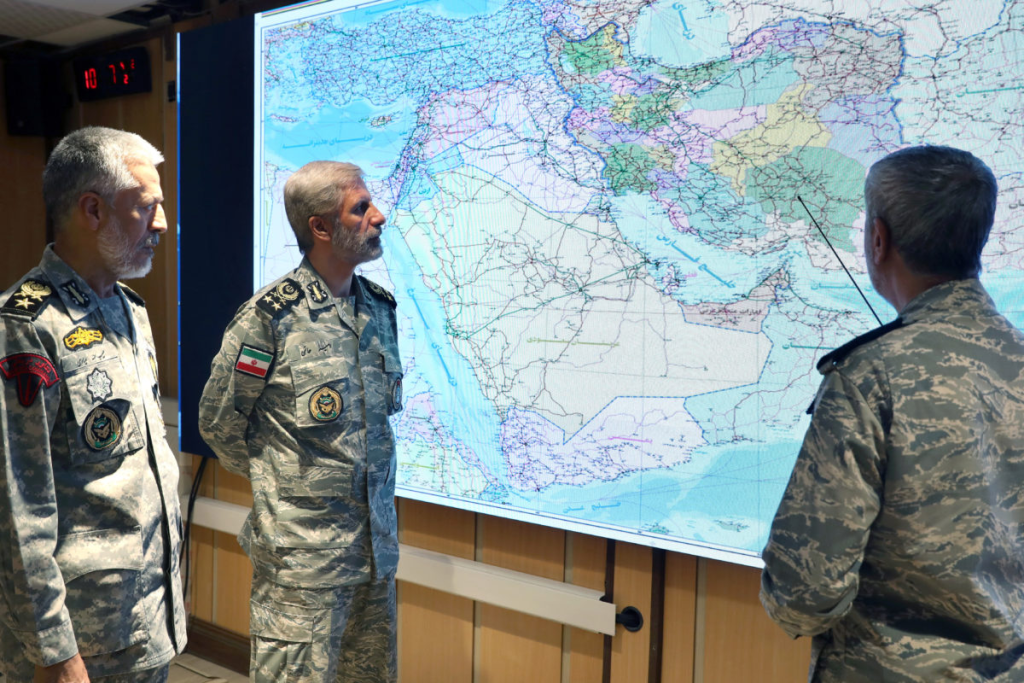
Syria and Lebanon
Christians in Syria have endured more than a decade of civil war, displacement, and contested territory. They are situated in a complex milieu involving Kurdish authorities, remnants of Assad’s regime, and Islamist armed groups.
- In Lebanon, where Assyrians constitute a small but significant part of the Christian population, the fear is of renewed confrontation between Hezbollah and Israel. Lebanese officials are pleading with Hezbollah not to engage in the conflict to avoid drawing the country into war and devastating civilian infrastructure.
- Across Syrian territory, escalating regional conflict could empower militias backed by Iran, further complicate ceasefires, and worsen humanitarian access, with knock-on effects for Christians already displaced or living in contested areas.
Lebanon’s Christian political leaders have emphasized neutrality and protection of civilians, recognizing that a renewed conflagration would likely inflict heavy blows on all communities.
III. Broader Consequences for Christians in the Middle East
The escalation between Iran, the United States, and Israel threatens to widen existing conflict zones and shake fragile states where Christian populations once had greater stability.
Key consequences include:
- Heightened Insecurity
Broad military operations and reprisals can lead to indiscriminate violence, mass displacement, and breaking points for ethnic and religious minorities. Historical experience shows that wars in Iraq and Syria disproportionately affected Christian populations, causing large-scale expulsions and demographic erosion. - Political Marginalization
In times of war, national security narratives tend to squeeze minorities out of political discourse. Governments facing existential threats often suppress dissent and redirect resources to the war effort, sidelining minority rights and protections. - Displacement and Diaspora Growth
Past conflicts have driven thousands of Assyrians to seek refuge abroad. A broader regional war would likely accelerate this trend, threatening centuries-old Christian communities with extinction in their ancestral homelands. - Economic Collapse and Social Strain
Conflict disrupts economies and deepens social fragmentation. Communities already struggling with poverty, unemployment, and post-war recovery (especially in Iraq, Syria, and Lebanon) would see those challenges intensify. - Humanitarian Crisis
Health, education, housing, and essential services deteriorate rapidly during war. For Christians and other minorities, obtaining aid and safe passage becomes exponentially harder as conflict zones expand.
IV. What Comes Next? Pathways and Risks
At this moment, the conflict’s trajectory is uncertain. Possible scenarios include:
- Rapid escalation into regional war, drawing in Lebanon’s Hezbollah, Iraqi militias, and potentially Yemen’s Houthis and other proxies — escalating instability for Assyrians across multiple frontlines.
- International diplomatic intervention, with European and UN pressure to return to negotiations and prevent further violence.
- Protracted conflict with cyclical violence, which has characterized past Middle Eastern wars and historically eroded minority protections and presence.
For Assyrians and other Christian minorities, the central imperative remains the preservation of life, dignity, and community structures in the face of war’s destructive forces. International and regional actors must ensure humanitarian access, protection of minorities, and genuine diplomatic efforts to prevent further calamities.
Conclusion: The U.S. and Israeli military strikes on Iran have thrust the Middle East back into a level of volatility reminiscent of past large-scale regional wars. For Chaldean Syriac Assyrians in Iran, Iraq, Syria, and Lebanon, communities already vulnerable from years of conflict, discrimination, and displacement, the consequences could be dire: renewed insecurity, demographic decline, and intensified humanitarian crises. Unless powerful diplomatic pressures succeed in halting and reversing escalation, the Christian presence in the region faces one of its most precarious moments in modern history.