

May 14, 2026
Baghdad, Iraq
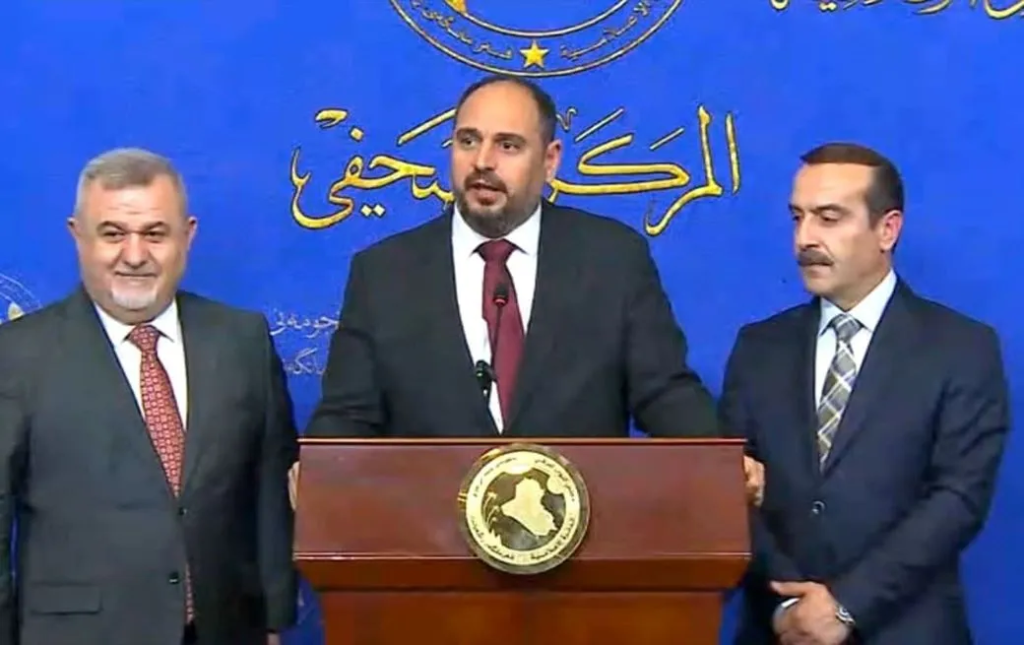
As negotiations intensify over the formation of Prime Minister-designate Ali al-Zaidi’s new cabinet, the fragmentation of Iraq’s Christian political representation has again been brought into sharp relief. Recent statements by the Suyana parliamentary bloc—holding three of the five parliamentary seats allocated to Christians—have emphasized the defense of electoral legitimacy and “entitlement” as determined by the ballot box. Yet beneath this language of procedural fairness lies a more profound and enduring crisis for Iraq’s diminishing Christian population: the effective erosion of an autonomous political voice capable of acting independently within Baghdad’s corridors of power.
“We acknowledge the reality of Iranian influence in our homeland but our fundamental concern is not the presence of any single actor so much as the condition of total subordination to one camp or another. What we seek is the space to articulate our own position and exercise a degree of autonomous will within a political framework that recognizes us as participants rather than objects of control. The absence of such balance would ultimately be harmful, not only to us, but, in the long term, to the regional powers themselves.” Assyrian Source
At the center of the controversy is the question of who truly represents Iraq’s Christians. The Suyana bloc demanded that cabinet representation reflect the results of the ballot box rather than political arrangements engineered behind closed doors. Yet critics argue that Iraq’s Christian political landscape itself has long ceased to function independently, having become divided between rival centers of power tied to larger Kurdish and Shi’ite political projects.
On one side stand Christian politicians aligned with the Kurdistan Democratic Party (KDP), the dominant ruling party in the Kurdistan Region. For years, the KDP has exercised considerable influence over Christian quota seats, particularly in areas under Kurdish influence in the Nineveh Plains and northern Iraq. Assyrian activists and independent observers have repeatedly alleged that Kurdish parties mobilize non-Christian votes to secure Christian quota seats for candidates loyal to Kurdish interests, thereby weakening authentic local representation.
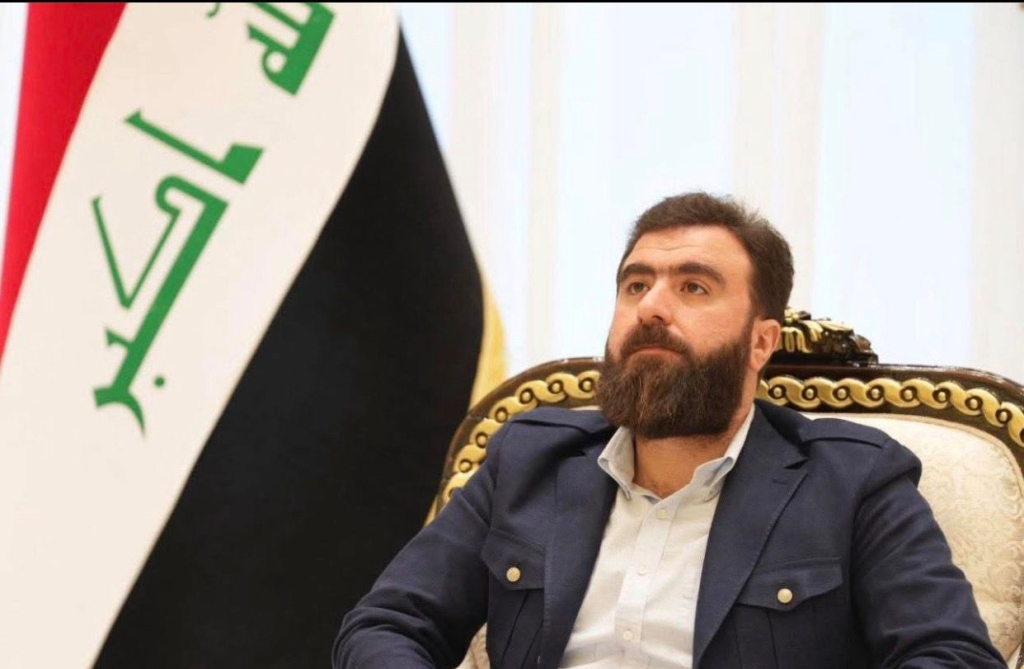
On the other side is the growing influence of Rayan al-Kildani, leader of the Babylon Movement and the Babylon Brigades, formally Brigade 50 of the Popular Mobilization Forces (PMF). Al-Kildani’s movement controls the remaining two Christian quota seats and maintains close ties to Iraq’s Shi’ite Coordination Framework and Iran-backed armed factions. Although the Babylon Movement presents itself as a defender of Christians, many Assyrians view the political apparatus as another mechanism through which larger powers dominate Christian political representation. Critics accuse the Babylon Movement of leveraging militia power, patronage networks, and alliances with Shi’ite blocs to monopolize Christian affairs while marginalizing dissenting voices.
“We acknowledge the reality of Iranian influence in our homeland,” an Assyrian source observed, “but our fundamental concern is not the presence of any single actor so much as the condition of total subordination to one camp or another. What we seek is the space to articulate our own position and exercise a degree of autonomous will within a political framework that recognizes us as participants rather than objects of control. The absence of such balance would ultimately be harmful, not only to us, but, in the long term, to the regional powers themselves.”
For many Chaldean Syriac Assyrians, the result has been devastating: Christian representation that increasingly answers not to Christian communities themselves, but to the geopolitical interests of Erbil or Baghdad.
The irony is difficult to ignore. Public disputes between Christian factions are often portrayed as ideological disagreements within the community. In practice, however, many of these factions function as proxies in the broader struggle between Kurdish regional interests and Shi’ite political power. Christian parties frequently compete less over policy than over which external patron they are aligned with.
This reality has fueled growing disillusionment among Iraq’s indigenous Christians, whose numbers have collapsed from an estimated 1.5 million before 2003 to only a fraction of that today. The community, battered by war, ISIS, displacement, demographic change, and political marginalization, increasingly views the quota-seat system as hollow.
Against this backdrop, some activists point to the Assyrian Democratic Movement (ADM/Zowaa) as perhaps the only remaining Christian political movement attempting to maintain an independent nationalist platform rooted primarily in Chaldean Syriac Assyrian interests rather than subordination to Kurdish or Shi’ite agendas. Founded in 1979, the ADM has historically advocated for its people's cultural rights and administrative autonomy in the Nineveh Plains. Yet even the movement’s supporters acknowledge that its influence has diminished significantly amid mounting pressure from larger political actors, financial disparities, and shifting regional alliances.
The broader question confronting Iraq’s Christians is no longer simply one of cabinet seats or parliamentary arithmetic. It is whether a genuinely autonomous Christian political voice can still survive in a political system increasingly dominated by sectarian patronage networks and armed factions.
As negotiations over the new Iraqi cabinet continue, Iraq’s Christians may once again receive ministerial representation. But for many within the community, representation without independence has become little more than symbolism.