

February 16, 2026
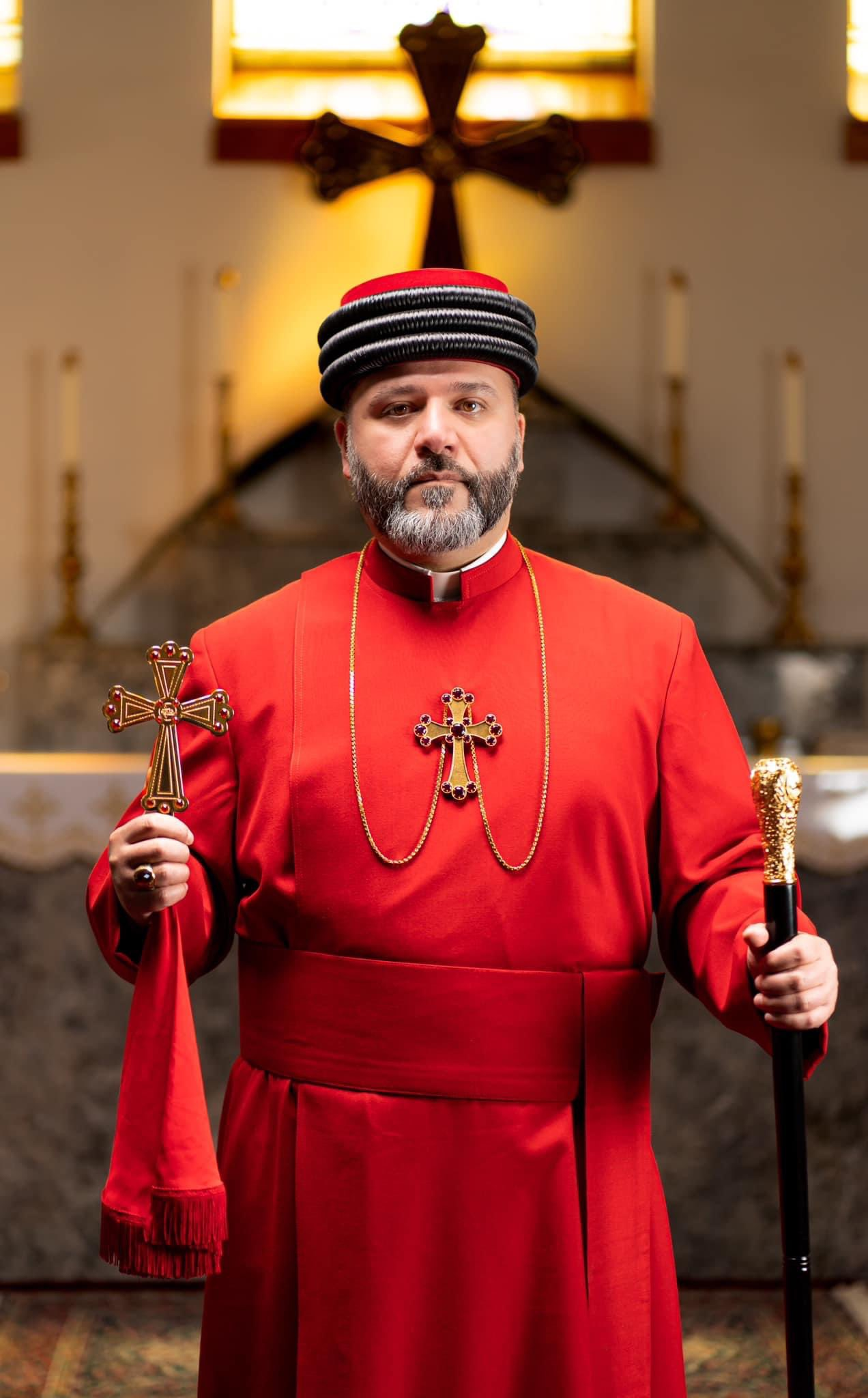
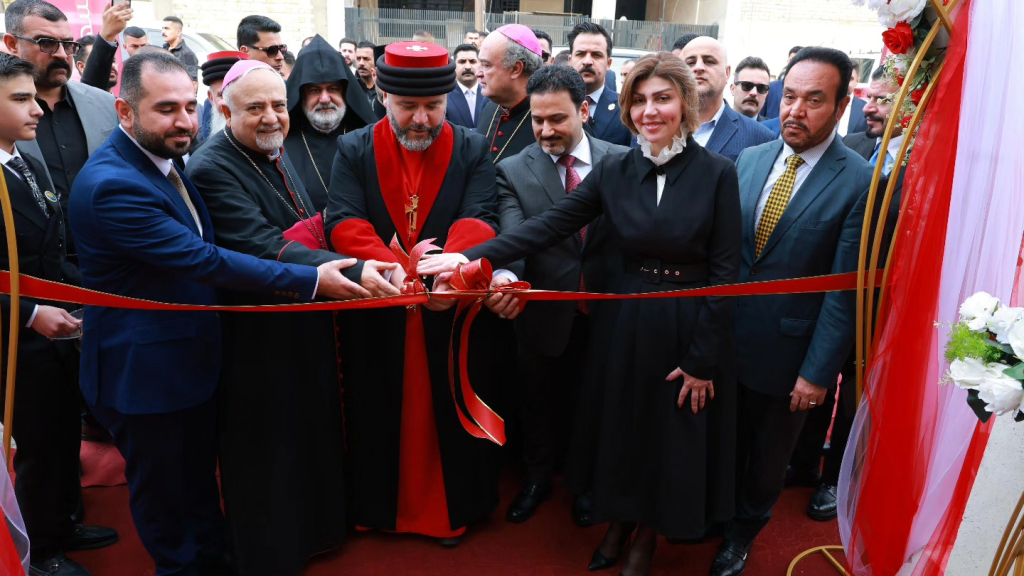
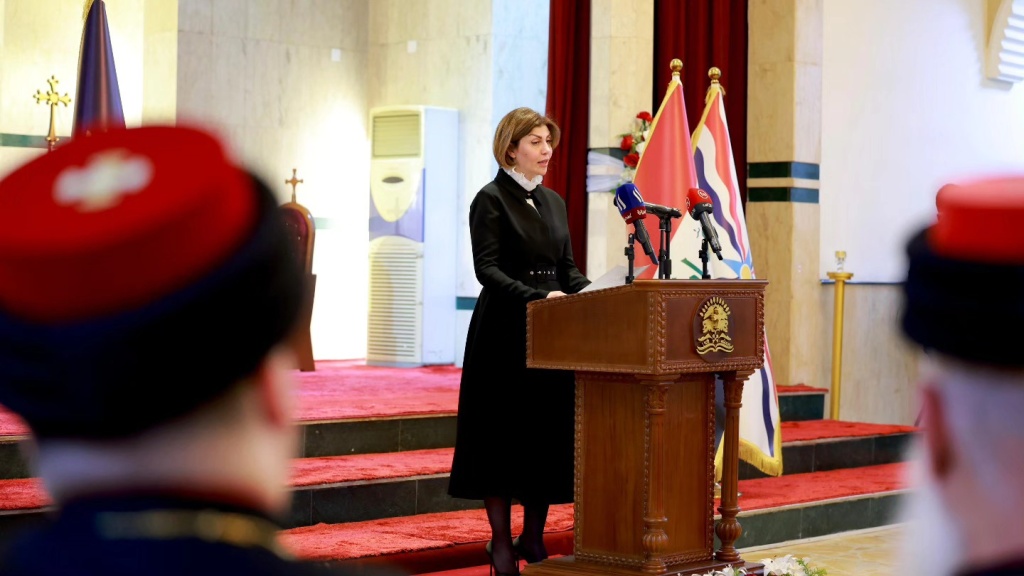
Baghdad, Iraq - On Saturday, February 14, 2026, the opening of the Patriarchate of the Ancient Church of the East in Baghdad marked more than an ecclesiastical ceremony. It was the visible sign of a Church that has survived empires, persecutions, exiles, and attempted annihilation. And yet, in one of its most revered cities, it lives.
The Church whose Ancient patriarchal seat now stands once more in Iraq traces its lineage to the apostolic age, to the preaching of Mar Addai and Mar Mari in Assyria. From its heartland between the Tigris and Euphrates, the historic Church of the East carried the Gospel across all of Mesopotamia, Persia, Central Asia, India, and as far as China. It flourished intellectually and spiritually in Seleucia-Ctesiphon, Nisibis, and beyond. But its expansion was matched, century after century, by suffering.
Under the Sasanian persecutions of the fourth century, thousands of members of the Church were martyred for refusing to abandon Christ and their Assyrian heritage. In later centuries, waves of violence reduced once-thriving Assyrian Christian cities to silence. The Mongol invasions shattered Assyria and Mesopotamia in general, and the massacres of Timur in the fourteenth century nearly erased entire dioceses. In the modern era, the catastrophe of 1915, the Assyrian Genocide, brought systematic slaughter and dispossession to Assyrian Christians of the Church of the East and related communities. Villages were emptied; bishops and faithful alike were killed; a people was scattered.
The twentieth century offered no lasting reprieve. The Simele massacre of 1933 in Iraq marked another trauma. Political instability, discrimination, and the long shadow of war continued to drive emigration among Assyrian Christians. The late twentieth and early twenty-first centuries—especially after 2003—saw churches bombed, clergy kidnapped, and families forced into exile. Many asked whether the ancient Church would survive in its own cradle.
But it did.
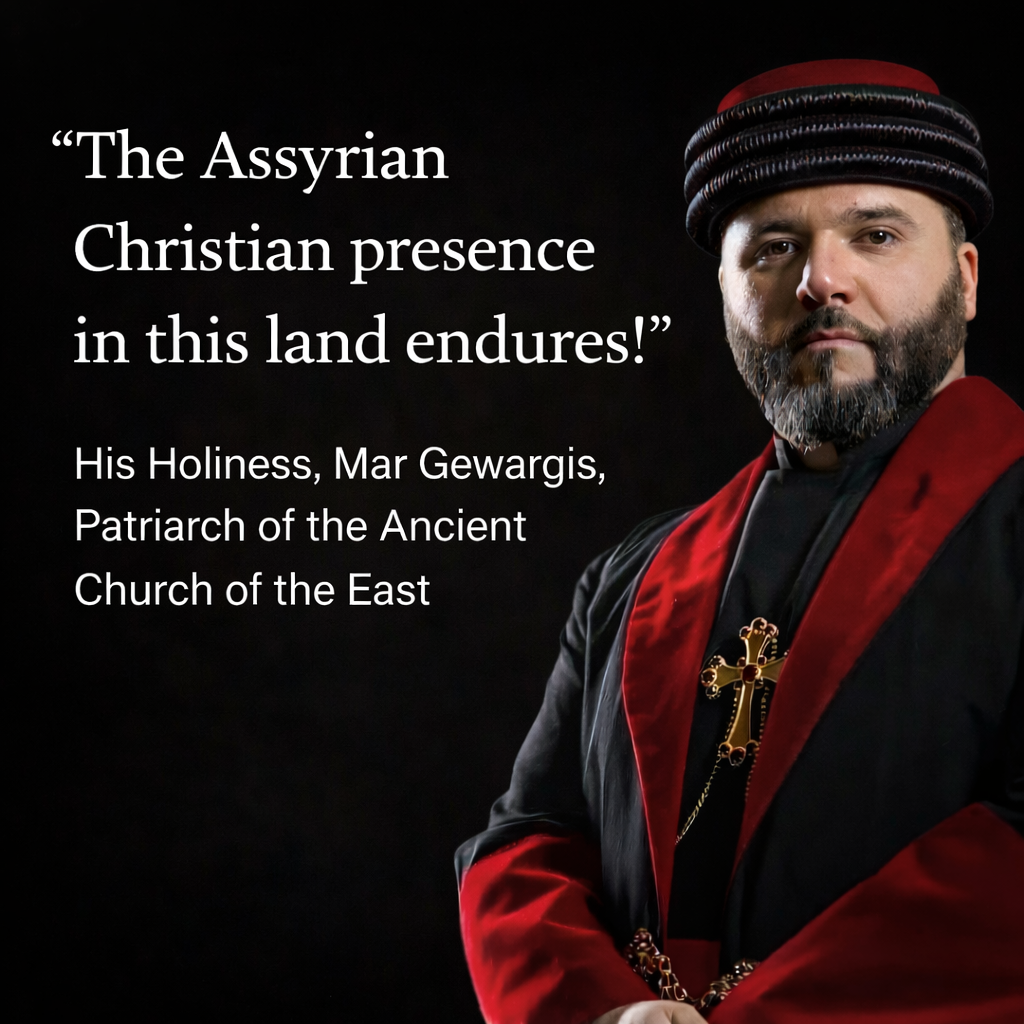
His Holiness, Patriarch Mar Gewargis emphasized the perseverance of the Church and people. "Christianity is not foreign to Iraq," he stated, and made clear that it belonged to the land long ago. In addition to highlighting the significance of the faith, the Patriarch spoke about his nation. "The Assyrian people," he stated, "indigenous to this land, preserved the Christian faith through centuries of hardship, conquest, displacement, and persecution..." but remained in Mesopotamia. Assyrian scholars accomplished much in science, philosophy, and literature, the Patriarch stated, and served as bridges between East and West. "The Assyrian Christian presence," the Patriarch said, "in this land endures!"
Thus, the inauguration of the Patriarchate in Baghdad is not merely administrative. It is theological. It is historical. It is defiant hope.
To establish a patriarchal presence again in Iraq, after genocide, after exile, after near-erasure, is a declaration that the blood of the martyrs of the Church and of the Assyrians was not shed in vain. The presence of religious leaders, government officials, and representatives of various churches and faith traditions at the ceremony reflects a truth forged in suffering.
The hope for the future is that the Patriarchate in Baghdad must now serve as more than a symbol. It must become a center of pastoral renewal, theological education, youth formation, and communal resilience. It must strengthen families who have chosen to remain, and others who may return. It must encourage those in the diaspora to see Iraq not only as a memory of tragedy, but as a horizon of responsibility.
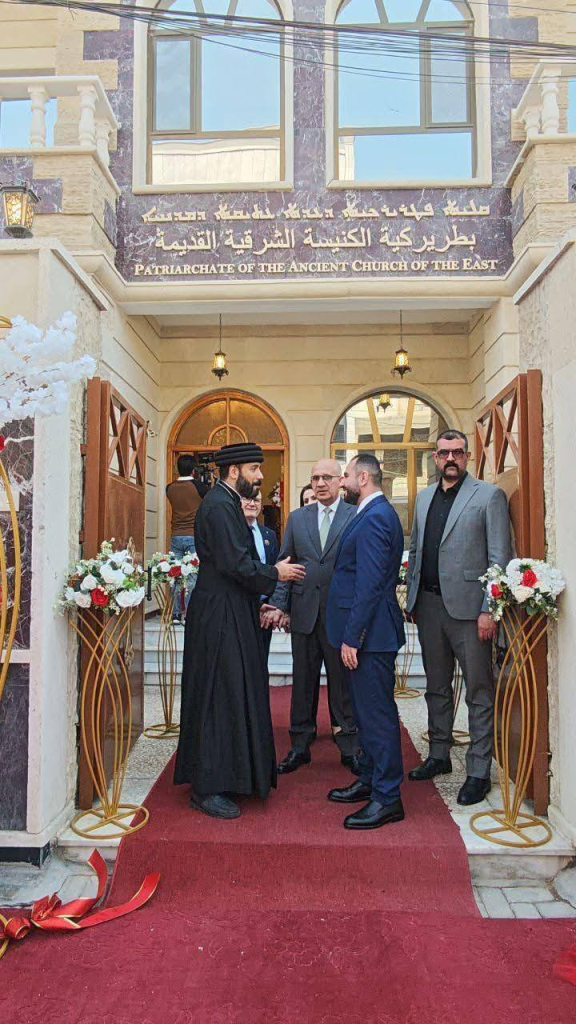
We commend His Holiness Mar Gewargis for his unwavering defense of the Assyrian presence in Iraq. The reopening of the Patriarchate in Baghdad affirms what history has always proven: the Assyrian nation is indigenous to this land, and its Christian heritage is native to Mesopotamia.
Through persecution, genocide, exile, and displacement, our people have endured, not as guests, but as sons and daughters of this soil. The Patriarch’s words remind Iraq and the world that Assyrians have contributed profoundly to civilization, scholarship, and faith.
This Patriarchate must now serve as a center of renewal, unity, and national resilience, strengthening those who remain, encouraging responsible return, and reminding the diaspora that Iraq is not merely a memory, but a living responsibility.
We stand united behind our Patriarch in affirming the dignity, rights, and enduring presence of the Assyrian nation in Iraq.
“May God bless and protect His Holiness, Mar Gewargis III, Patriarch of the Ancient Church of the East. May the Lord strengthen him as he faithfully serves the Assyrian nation and community. Blessings upon all who support and share in this sacred dedication. 🙏✝️🙏