

The Strategic Marginalization of Middle Eastern Christians in American Foreign Policy
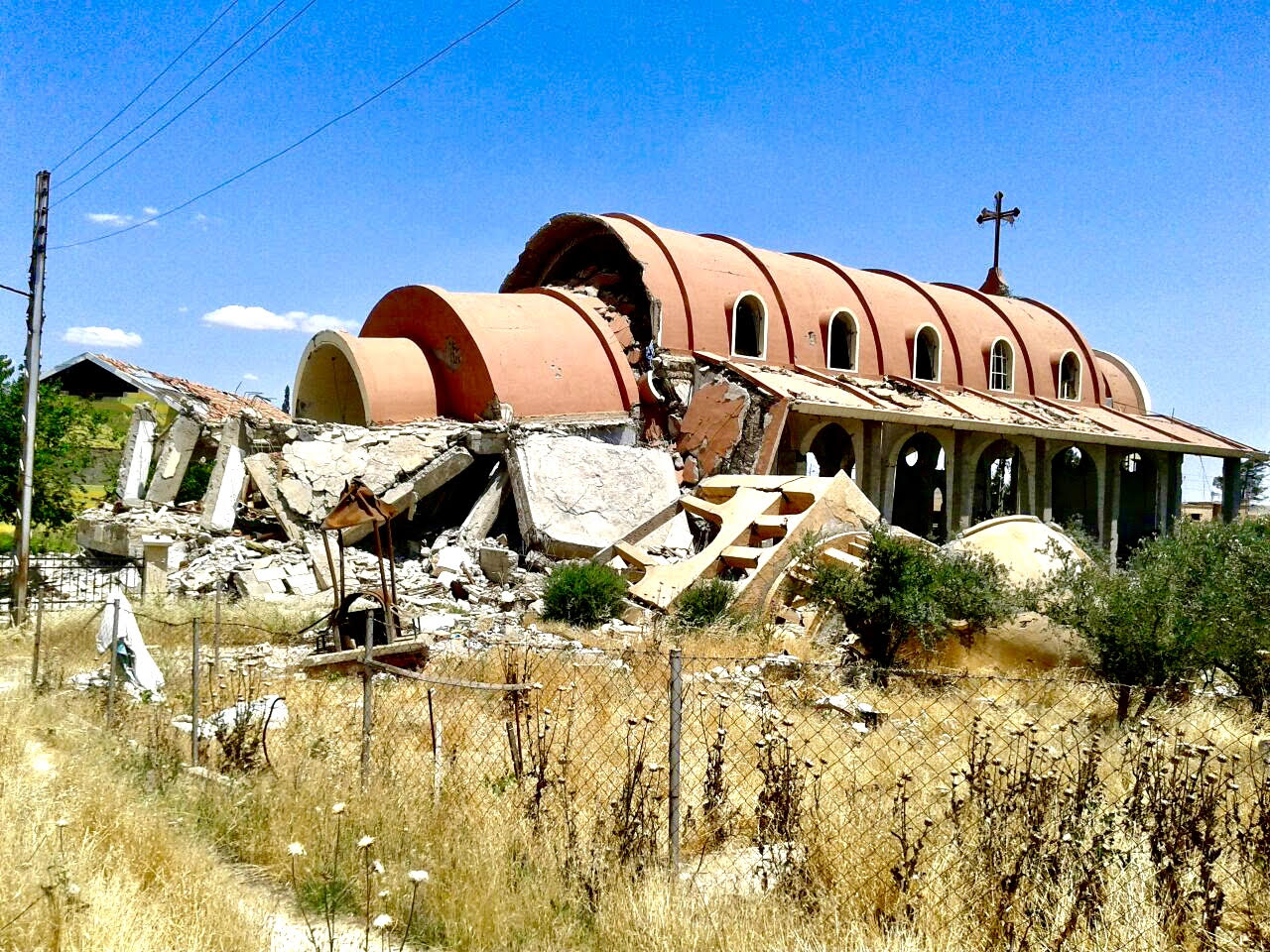
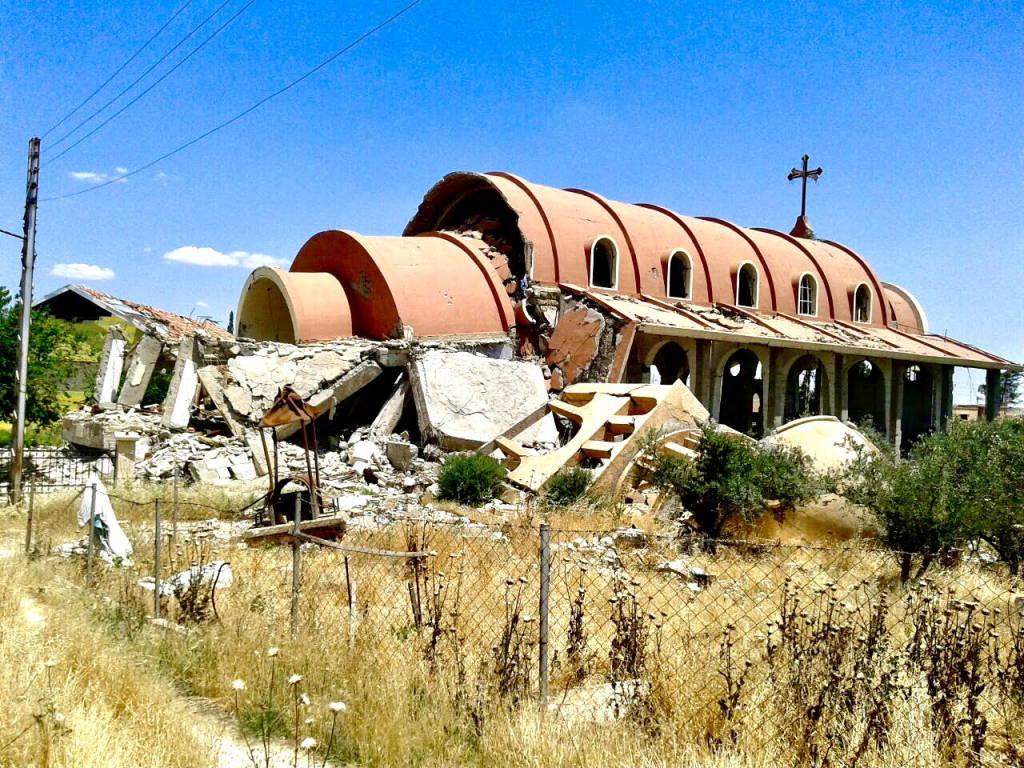
Over the past century, and with accelerating speed in the last two decades, the Middle East’s indigenous Christian communities have undergone a dramatic demographic collapse. Once constituting roughly 20% of the region’s population in the early 20th century, Christians today account for approximately 4% or less. This transformation is not abstract; it is measurable across nearly every country in the region and must be addressed systematically.
A Demographic Collapse: Country-by-Country Evidence
The decline of Christianity in the Middle East is best understood not as a vague trend, but as a series of stark national collapses:
- Iraq:
- ~1.4–1.5 million Christians before 2003
- ~120,000–500,000 today
- A decline of over 80–90%
- Syria:
- ~1.5–2 million before 2011
- ~300,000–600,000 today
- A decline of roughly 70–80%
- Lebanon:
- Christians were over 50% of the population historically
- Today approximately 30–40%
- A long-term structural decline
- Palestine (West Bank & Gaza):
- Tens of thousands remain (~47,000 total)
- Continuous emigration and contraction
- Egypt:
- Still the largest Christian population (roughly 9–10 million)
- But declining as a percentage of the population over time
Across the region, only 10–12 million Christians remain, a fraction of historic levels. These are not marginal fluctuations; they represent one of the most significant religious demographic shifts in modern history.
Displacement Amid U.S. Engagement
The most dramatic collapses correlate closely with periods of instability following major geopolitical disruptions, particularly since the early 2000s.
The case of Iraq is especially instructive. Prior to the 2003 U.S. invasion, Iraq possessed one of the largest and most stable Christian populations in the region. Within two decades, that population was reduced by nearly nine-tenths. The dismantling of state structures, followed by sectarian violence and the rise of extremist groups such as ISIS, created conditions in which Christians became prime targets for displacement and eradication.
A similar trajectory unfolded in Syria after 2011. The civil war, fueled by regional and international actors, reduced the Christian population by as much as three-quarters. In both cases, U.S. policy did not deliberately target Christians, but it failed to anticipate or mitigate the consequences of regime collapse and power vacuums on vulnerable minorities.

Structural Neglect in American Policy
American foreign policy operates on strategic priorities: security, alliances, energy, and regional balance. Within this framework, minority communities without state backing, such as Chaldean Syriac Assyrians, are structurally marginalized.
The data reflects this reality. Countries where state collapse occurred most dramatically, often following or intersecting with U.S. intervention, are precisely those where Christian populations experienced the most catastrophic declines.
This is not best understood as intentional opposition to Christians, but rather as systemic deprioritization. In policy terms, they are a non-factor, until their disappearance becomes irreversible.
Advocacy Asymmetry and Policy Outcomes
In Washington, influence is not distributed evenly; it is organized. Well-developed advocacy ecosystems shape legislative agendas, foreign aid allocations, and diplomatic priorities.
By contrast, Middle Eastern Christian communities have historically lacked:
- Unified political representation
- Sustained lobbying infrastructure
- Coordinated transnational advocacy
The result is predictable: despite facing existential decline, they remain peripheral in policy formulation.
This asymmetry, not a single controlling force, better explains why their concerns are consistently underrepresented.
The American Christian Disconnect
The demographic collapse outlined above has not been matched by proportional mobilization among American Christians. While there is broad awareness of “persecuted Christians,” this concern rarely translates into sustained political pressure tied to specific policy demands.
The gap is partly intellectual and partly institutional:
- Limited understanding of Eastern Christianity as living communities
- Fragmented leadership structures
- Domestic political priorities overshadowing foreign concerns
As a result, one of the largest religious constituencies in the United States has not functioned as an effective advocate for its most endangered counterparts.
Strategic Consequences for the United States
The disappearance of Middle Eastern Christians is not only a moral issue, it is a strategic one.
Historically, these communities:
- Served as cultural and linguistic intermediaries
- Contributed to economic and professional sectors
- Acted as moderating forces in pluralistic societies
- Presented an opportunity for greater international stabilizing business opportunities
Their collapse accelerates homogenization and extremism, reducing the social complexity that underpins long-term stability.
Moreover, the perception that the United States has failed to protect these ancient communities—despite its deep regional involvement—has damaged its credibility and fueled skepticism about its commitment to pluralism and human rights.
Toward a Coherent Response
The statistical trajectory is clear: without intervention, Christianity in the Middle East will continue to contract toward near-extinction in several countries.
Reversing this trend requires a structural shift in political engagement:
- The creation of serious, professional lobbying institutions representing Middle Eastern Christians as one entity
- Coordination across diaspora communities in the United States, Europe, and beyond
- Strategic alliances with broader Christian constituencies
- Direct, sustained pressure on policymakers tied to specific legislative and foreign policy outcomes
Political systems respond to organized pressure, not passive concern.
Conclusion
The numbers leave little room for ambiguity. In Iraq and Syria, Christian populations have collapsed by as much as 80–90% within a generation. Across the region, a community that once constituted a fifth of the population now hovers near statistical disappearance.
American foreign policy did not single-handedly produce this outcome, but it has consistently failed to prevent it, and, at critical moments, has contributed to the conditions that made it possible.
If this trajectory is to change, it will not be through rhetorical appeals or symbolic gestures. It will require the deliberate construction of political power, capable of ensuring that the fate of Middle Eastern Christians is no longer incidental to the decisions that shape their survival.