

February 9, 2026
Hasakah, Syria - By any measure, Syria has entered terrain it has not known for half a century: a post-Assad transition in which the idea of a single national state is again being tested against the realities of fractured communities, foreign armies, and memories that have not yet learned how to forgive.
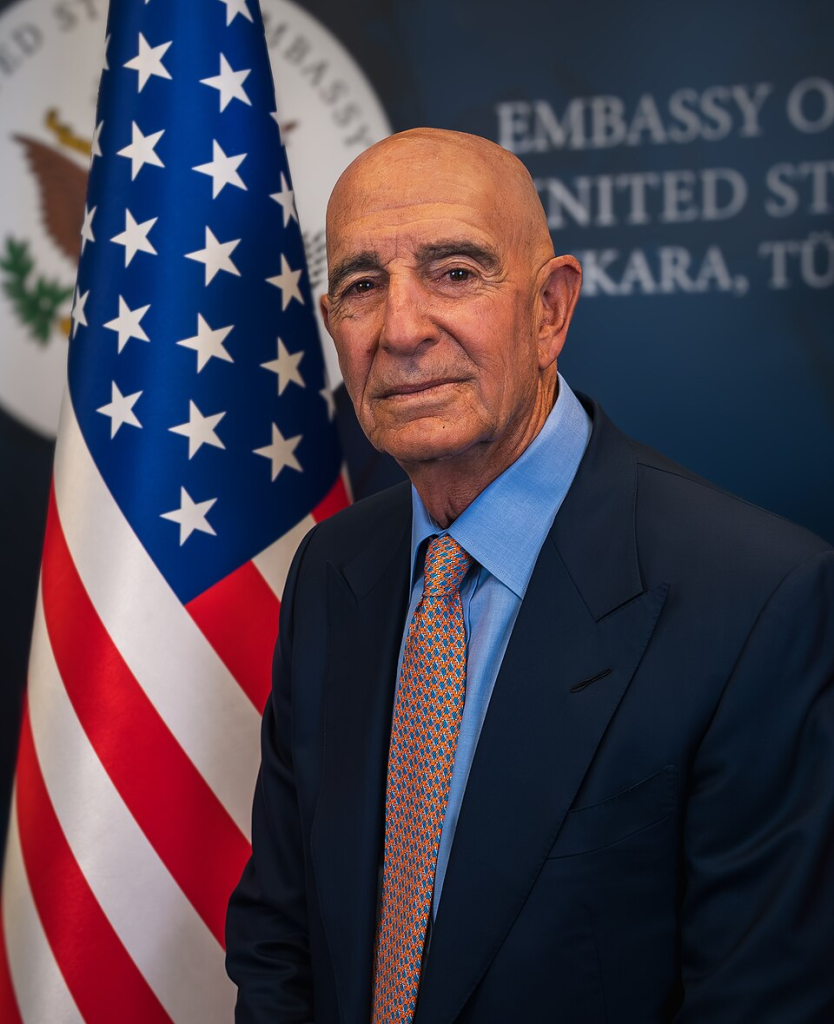
The recent statement by the U.S. envoy Thomas Joseph Barrack Jr., that the “greatest opportunity for the Kurds in Syria lies in integration into a unified Syrian state under President Ahmed al-Sharaa," captures much optimism in Washington. Yet for those who live in the towns along the Khabur, in Qamishli, Hasakah, and the villages where Assyrian church bells still compete with the call to prayer, the moment feels less like a horizon and more like a narrow gate.
For the Kurds, Barrack’s argument is straightforward. The Syrian Democratic Forces were created for a specific war: the destruction of the ISIS caliphate. With that mission largely completed and Damascus now a formal member of the Global Coalition to Defeat ISIS, the logic of a separate Kurdish-led security structure has weakened. Integration, the Americans say, offers what no previous Syrian government was willing to grant: citizenship for the stateless, constitutional recognition of Kurdish language and culture, participation in national politics, and a place inside the army rather than outside it.
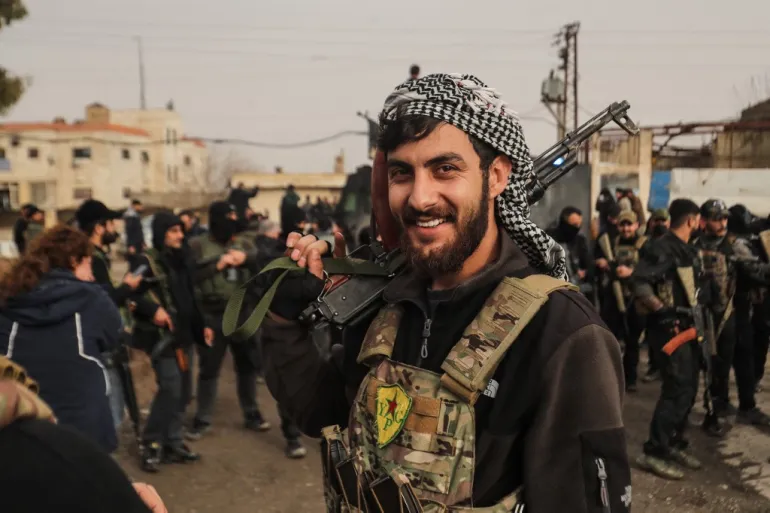
Under Assad, Kurds and Assyrians were monitored by government officials. The proposed agreement of January 18—handing oil fields, dams, and border crossings to Damascus while folding SDF fighters into the national military—would close a decade of de-facto autonomy born of war. For many Kurds, it offers belonging to a state rather than existing as a permanent emergency. For Assyrians, whose concern also involved Kurdish autonomy, there is another reason for concern: the increase in Islamic power and the lack of US intervention to curb it.
And so the same transition that appears as opportunity to Kurdish leaders arrives as apprehension to Syria’s older, smaller nations—the Chaldean Syriac Assyrians, Armenians, and other communities whose survival has depended less on grand bargains than on fragile local balances. In the Jazira region, Assyrian villages remember that it was neither Damascus nor Washington that first protected them from ISIS, but their own modest militias fighting beside the SDF. Churches in Tel Tamer and Khabur still bear the scars of 2015; thousands have not returned and their properties, in 34 villages, remain empty.
These Assyrians hear the language of “national unity” with mixed emotions. A strong Syrian state could, in theory, restore law, curb Islamist militias, and reopen the economy that once allowed Christians to thrive as merchants, doctors, and teachers. But centralization also carries the ghost of earlier Arabization campaigns, land seizures, and the slow erasure of non-Arab identities. Integration of the SDF “as individuals,” as the agreement stipulates, alarms those who fear the dismantling of local self-defense units that guarded Christian neighborhoods when no one else would.
The United States insists it is pressing for safeguards: protection of ISIS detention facilities, guarantees for minority rights, and mechanisms to prevent revenge by hardliners. Washington argues that prolonged separation would invite Turkish intervention, regime coercion, or an ISIS revival. These are outcomes far worse than the imperfections of reintegration. From a geopolitical map, the reasoning is coherent.
But maps do not show cemeteries.
Assyrians and other Christians judge the new Damascus not by communiqués but by daily signals: Will the language of the native Chaldean Syriac Assyrians - Syriac - be allowed in schools? Will church property seized during the war be returned? Will the Nineveh and Khabur regions receive real local administration, or only distant governors? Most crucially, will the memory of ISIS, whose prisons are now to be transferred to the state, be treated as a national trauma or quietly filed away?
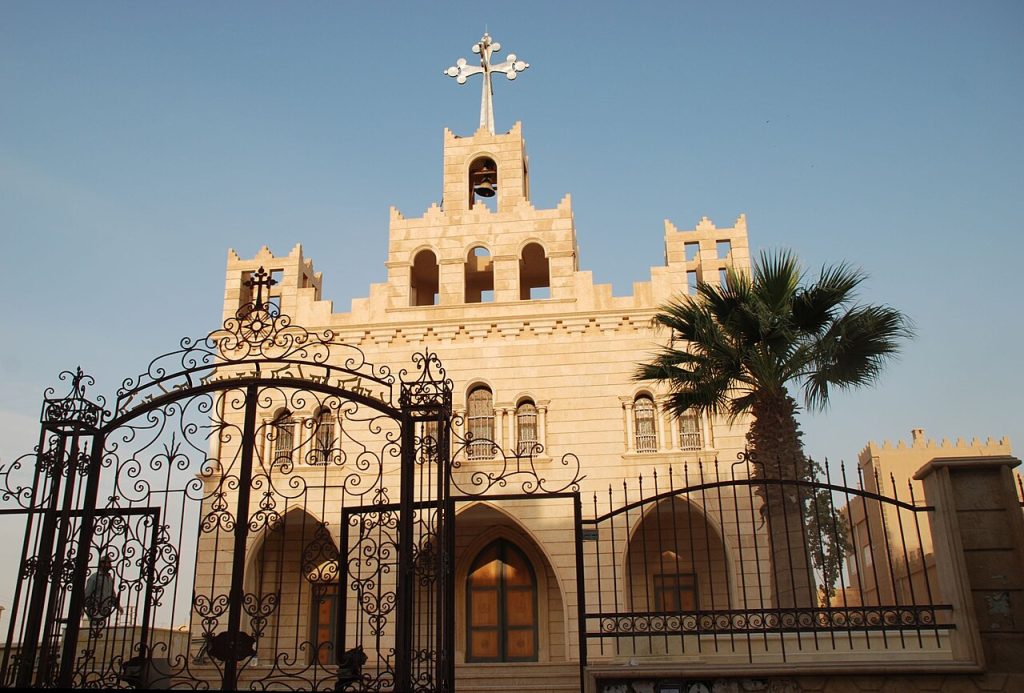
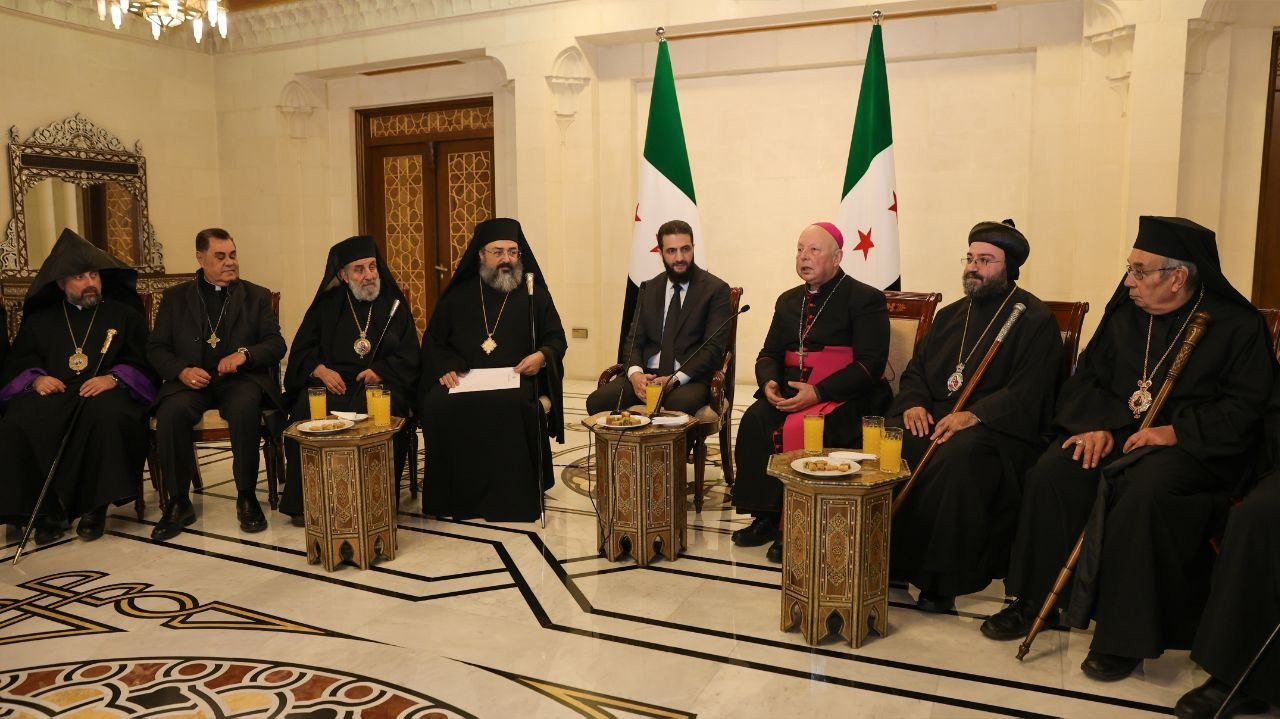
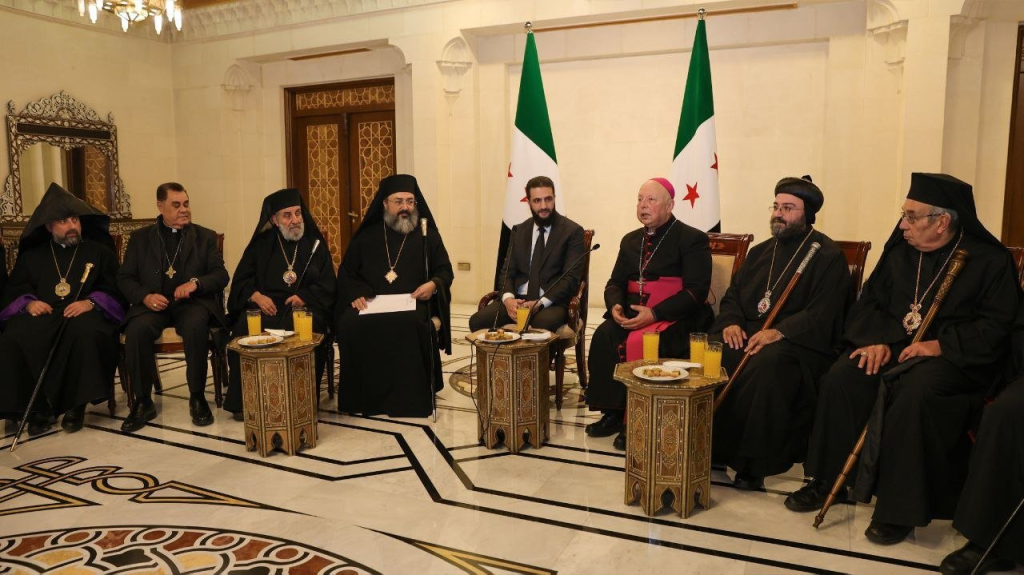
President al-Sharaa’s government faces a task that none of its predecessors managed: to build a Syria where Arab, Kurd, Assyrian, and Armenian histories are not ranked but braided. The envoy’s statement imagines such a state and asks the Kurds to walk toward it. For Christians, the question is whether they will be invited to walk beside them, or merely expected to follow.
The coming months will reveal whether integration becomes reconciliation or simply another rearrangement of power. If Damascus can transform the defeat of ISIS into a civic peace that protects its smallest peoples, the United States may indeed have helped open a historic door. If not, the bells of the Khabur will continue to ring with the caution learned by all minorities of the Middle East: that every promise of unity must be measured against the weight of yesterday.
Dear Nineveh News Team,
This week I noticed that since last year you have been publishing a good and very interesting news website / digital magazine at https://ninevehnews.com/. My compliments for that.
However, I find it unfortunate that you currently do not seem to have an account on X (formerly Twitter). Because of this, many people may not easily discover or recognize your platform online. Having a presence on X could significantly increase your visibility. When you are active there, readers can quickly share your news, which could help Nineveh News become well-known in a short time.
I hope you will consider making use of this in the near future.
Kind regards,
Simon Atto
Thank you Simon. Working on this at this time.