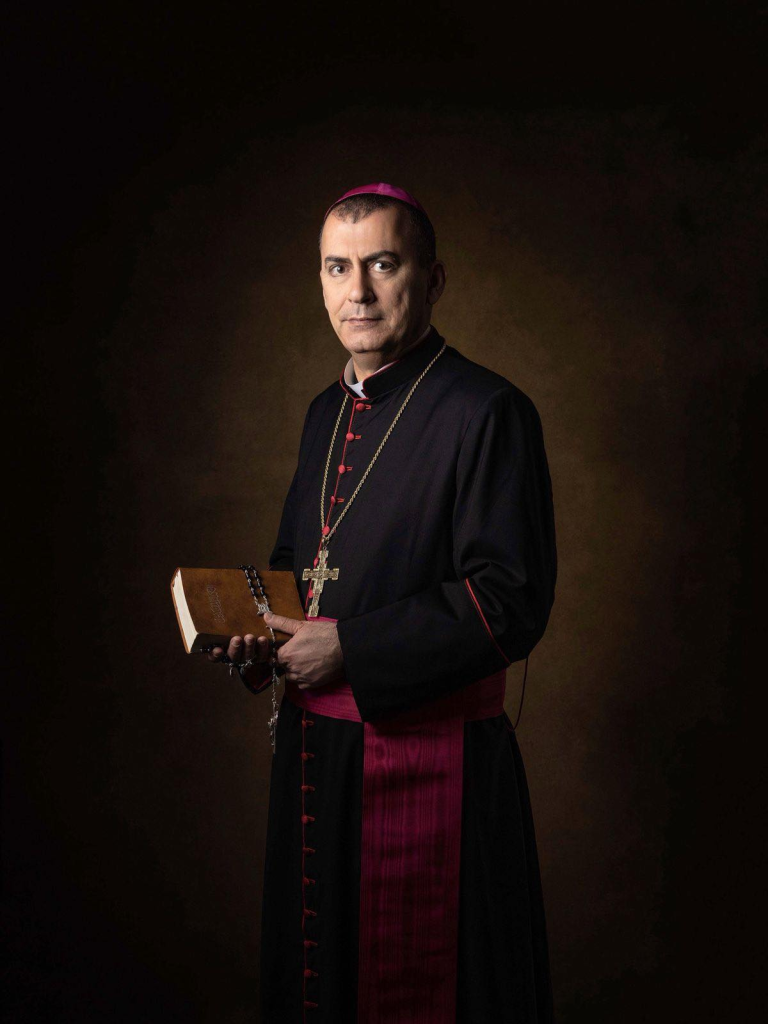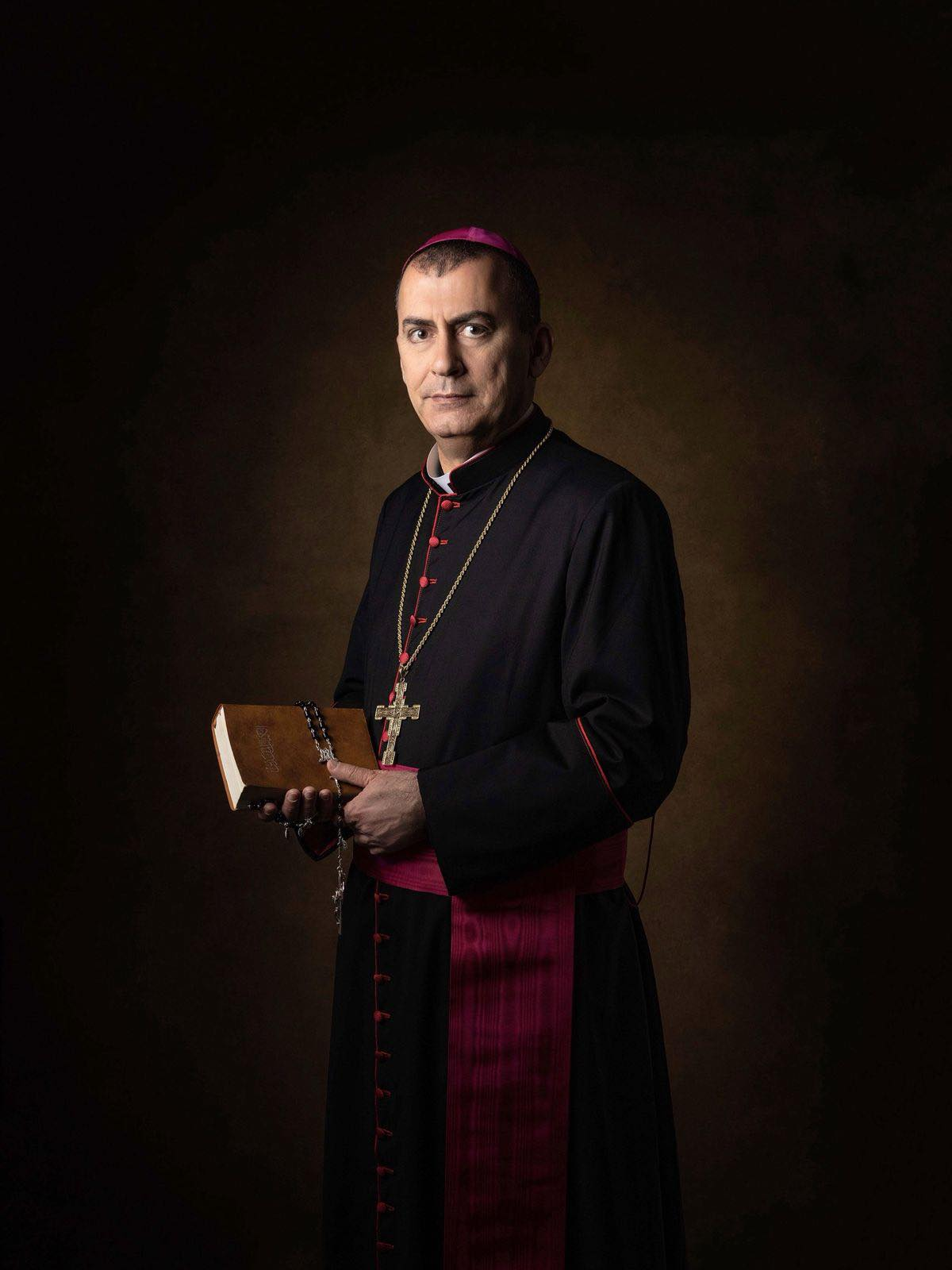

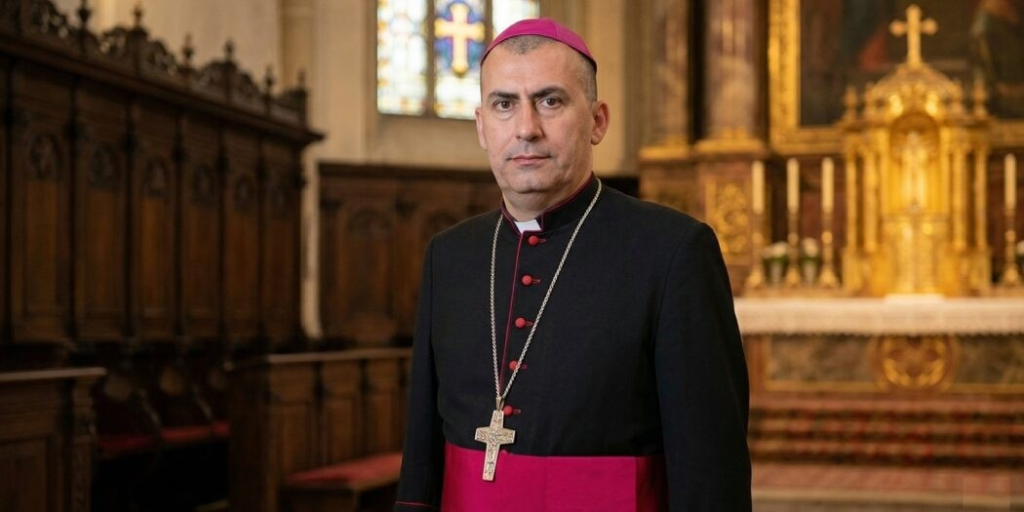
Mar Paulus III Nona Elected Patriarch of the Chaldean Catholic Church Amid Regional and Ecclesial Challenges
The Synod of the Chaldean Catholic Church has elected Amel Shamoun Nona as its new Patriarch, now His Beatitude Mar Paulus III Nona, succeeding Mar Louis Raphaël I Sako, who submitted his resignation to Pope Leo XIV on March 9. The resignation came amid controversy linked to financial and legal issues involving a former Chaldean bishop in San Diego, creating a sensitive backdrop to the transition in leadership. In addition, Mar Louis Sako had angered and disappointment many of the bishops within the Chaldean Church for some time according to various sources within the Church.
The election took place during the Synod’s meetings in Rome, convened on April 9, and reflects both canonical continuity and an urgent institutional need for stability. It comes at a critical juncture not only for the Chaldean Church, but for the broader Middle East, where Christian communities, particularly in Iraq, continue to face political fragility, demographic contraction, and the long-term consequences of conflict and displacement.
In an official statement, the Synod emphasized the deliberative and spiritual nature of the election process, noting that, “after deep spiritual and fraternal deliberations… and in accordance with the established canonical procedures,” Archbishop Nona was elected and chose the patriarchal name Mar Paul III Nona. The bishops further confirmed that he accepted the office in full conformity with canon law, expressing reliance on divine grace and a commitment to serve in unity with the Synod for the good of the Church in both homeland and diaspora.
The statement underscored the broader expectations accompanying his election, invoking Christ as the “Good Shepherd” and praying that the new Patriarch be granted wisdom and strength in guiding the faithful. It also called upon clergy and laity alike to unite around the new Patriarch, emphasizing shared responsibility in strengthening ecclesial life and advancing the Church’s mission under increasingly complex conditions.
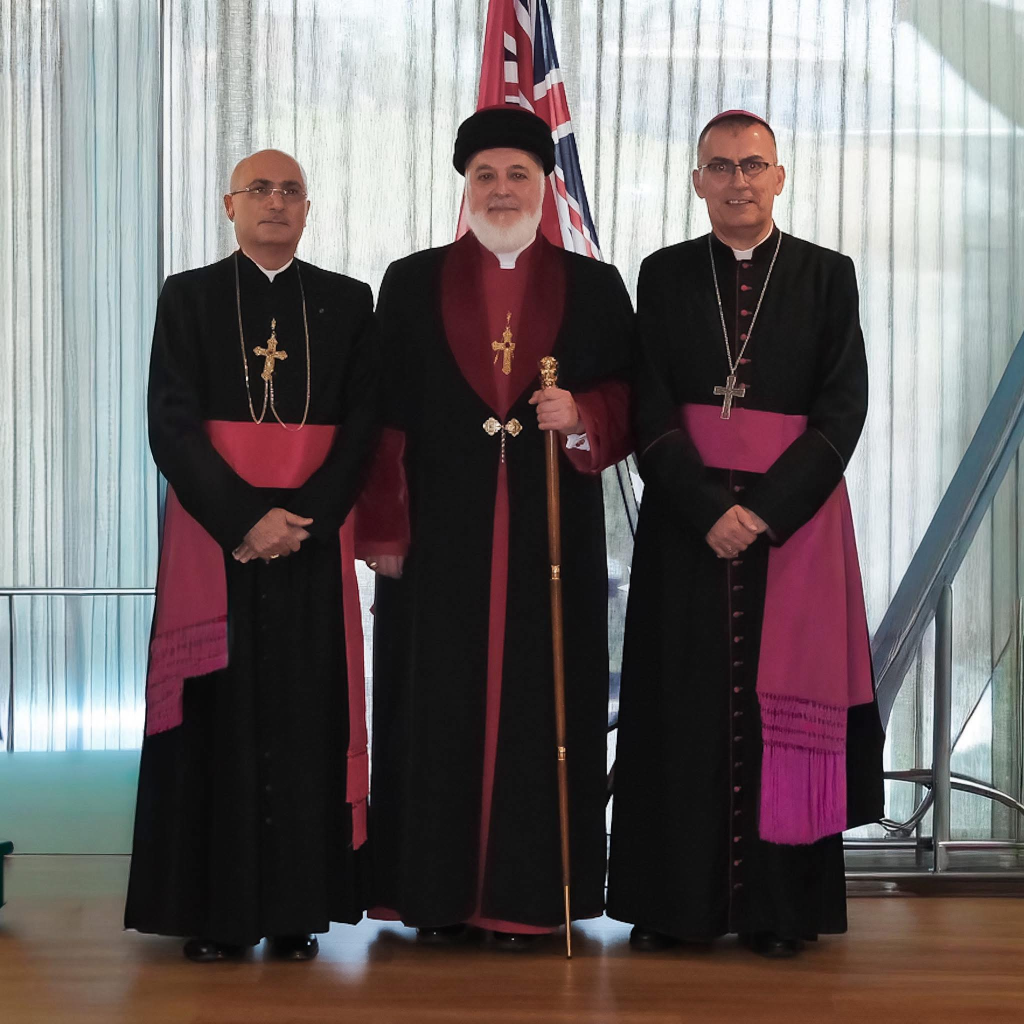
Born in 1967 in Alqosh, within the historic Nineveh Plain, Mar Paul III Nona emerges from one of the most enduring centers of Assyrian or Chaldean Christian life. He was ordained a priest in 1991 after completing his studies at the Patriarchal Seminary in Baghdad, and later earned a doctorate in theological anthropology from the Pontifical Lateran University.
His ecclesiastical career reflects both pastoral depth and historical circumstance. After serving in parishes in Alqosh, he was appointed Archbishop of Mosul in 2009, at a time when violence against Christians in Iraq was intensifying. His tenure there coincided with one of the darkest chapters in recent history, culminating in the events of 2014, when the terrorist organization ISIS seized Mosul. Like tens of thousands of Christians, he was forced to leave the city alongside his faithful, marking mass displacement and cultural rupture.
In 2015, he was appointed by the Holy See to lead the Chaldean Eparchy of Mar Touma the Apostle in Australia and New Zealand, where he ministered to a rapidly growing diaspora. His work there focused on preserving communal identity, strengthening ecclesial structures abroad, and maintaining ties between diaspora communities and their ancestral homeland.
His election now places him at the helm of a Church navigating both internal and external pressures. Internally, the Chaldean Church faces questions of unity, governance, and the organization of ecclesial life across widely dispersed communities. Externally, it operates within a Middle Eastern landscape still shaped by state fragility, competing geopolitical interests, and the lingering aftereffects of war, conditions that continue to challenge the long-term viability of indigenous Christian presence in the region.
The resignation of Mar Sako, while framed as a personal decision to devote himself to prayer and reflection, generated notable controversy within segments of the Chaldean community, particularly given its timing and surrounding circumstances. As such, the election of Mar Paulus III Nona represents not merely a routine succession, but an inflection point requiring careful navigation of institutional credibility, pastoral care, and communal cohesion.
In this context, the new Patriarch’s leadership will likely be measured by his ability to consolidate internal unity, reestablish confidence in ecclesiastical governance, and articulate a coherent vision for the future of the Chaldean Church, one that addresses both the immediate realities of the Middle East and the long-term preservation of the Chaldean Syriac Assyrian Christian identity across the global diaspora.