
May 26 2026
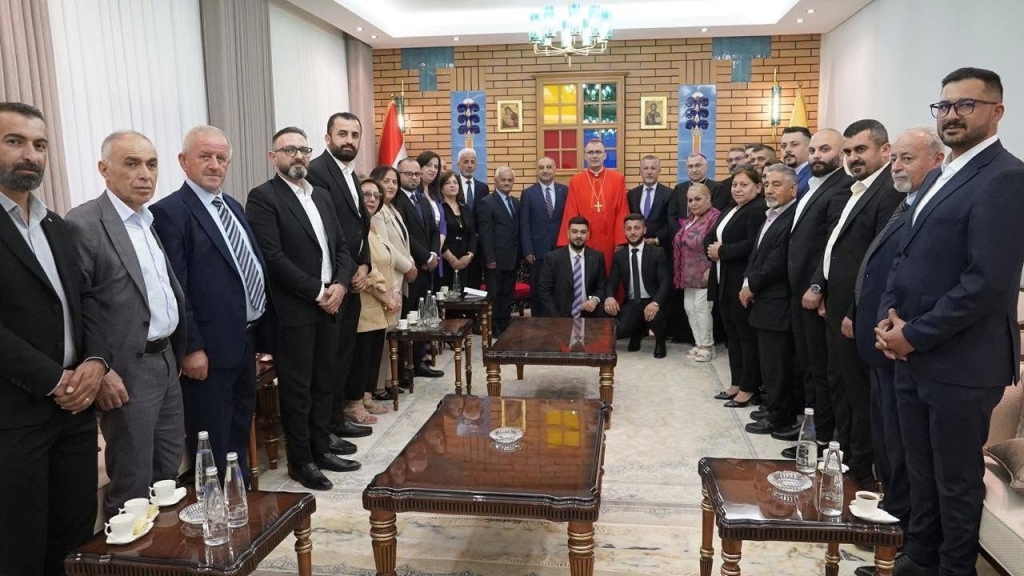
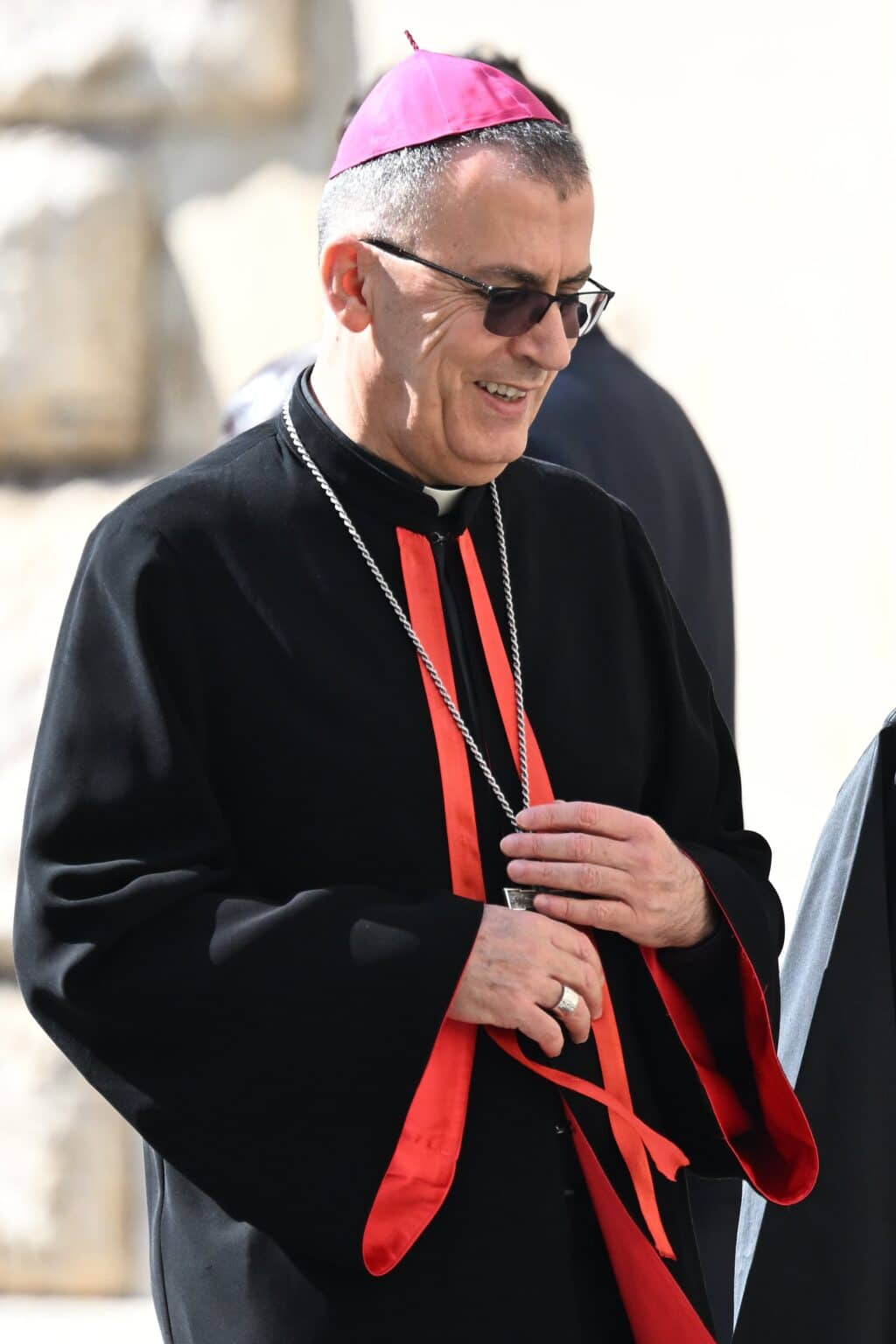
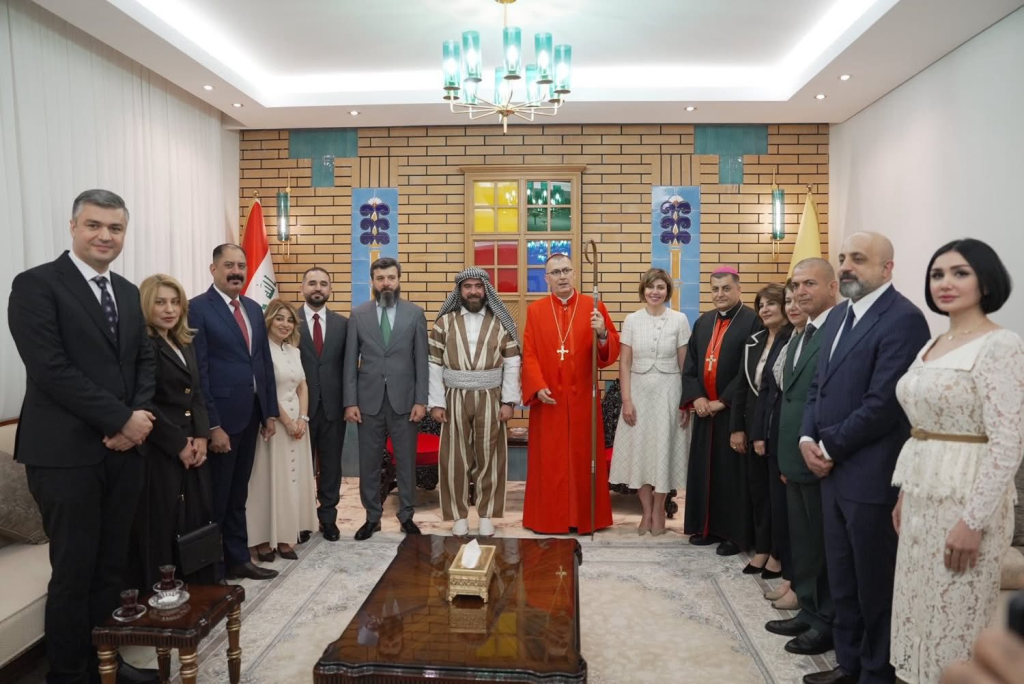
Baghdad, Iraq - In a remarkable display of political and national engagement, the newly elected Chaldean Patriarch, His Beatitude Mar Paul III Nona, has transformed the Patriarchal residence in Baghdad into a center of intense diplomatic and communal activity.
Baghdad, long wounded by war, sectarianism, and political fragmentation, is once again witnessing Christian leadership occupying a visible and active role in national affairs.
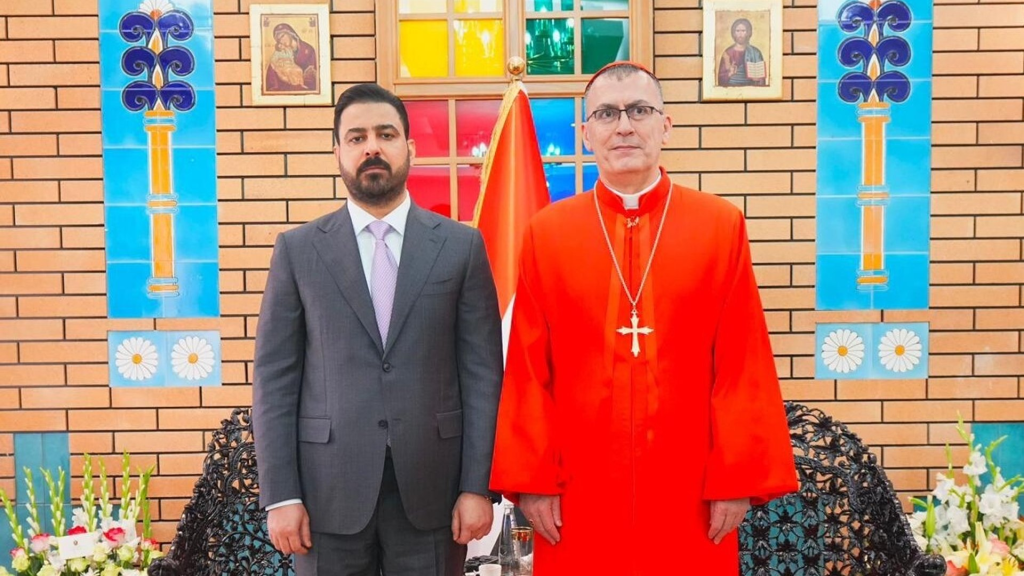
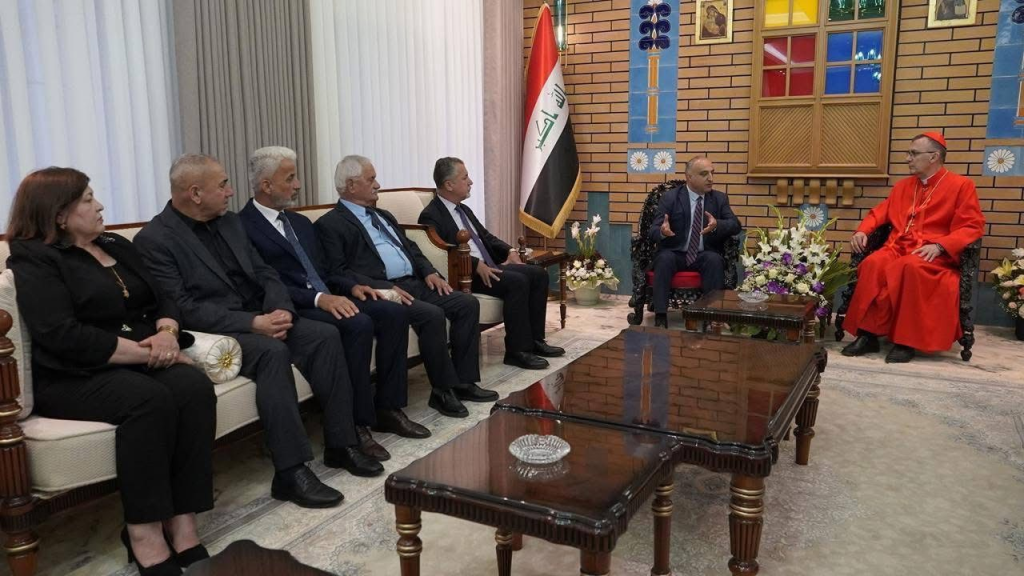
Since his election in April, the Patriarch has received a succession of Iraq’s highest-ranking state officials, parliamentarians, party leaders, and representatives of Iraq’s diverse Chaldean Syriac Assyrian components, signaling both the enduring importance of the Chaldean Church and the renewed attention being directed toward Iraq’s Christian future.
The meetings come at a pivotal moment for Chaldean Syriac Assyrian Christians in Iraq and the broader Middle East. Following the resignation of Patriarch Mar Louis Raphaël Sako, accepted by Pope Leo XIV on March 10, 2026, many observers feared that the Chaldean Church was entering a period of uncertainty. Patriarch Sako’s departure, officially attributed to age, occurred amid continuing regional instability and after years marked by political tensions, displacement, and the demographic collapse of Iraq’s ancient Christian population.
Yet the election of Mar Paul III Nona appears to have quickly restored momentum and confidence within both ecclesiastical and political circles.
The new Patriarch, formerly Archbishop of Mosul and later head of the Chaldean Church in Australia, is no stranger to crisis. Born in Alqush in 1967, he became one of the defining Christian voices during the ISIS occupation of Mosul and the Nineveh Plain. He witnessed firsthand the destruction of ancient Christian communities and the forced displacement of hundreds of thousands of believers from their ancestral homeland.
Now seated in Baghdad as Patriarch, Mar Paul III Nona is once again at the center of Iraq’s national dialogue.
In recent days, delegations from across Iraq’s political spectrum have visited the Patriarchate. Senior government figures, members of parliament, and representatives of Iraq’s leading political parties have met with the Patriarch to discuss national unity, Christian rights, stability in the Nineveh Plain, and the role of Christians in Iraq’s future. Particularly notable was the reception of representatives from the Assyrian Democratic Movement, one of the most prominent Chaldean Syriac Assyrian political organizations in the country, underscoring efforts to strengthen coordination among Iraq’s Christian institutions and leadership.
The flurry of meetings reflects more than ceremonial courtesy. It demonstrates the continued moral and political weight carried by the Chaldean Patriarchate within Iraq’s fragile national fabric. At a time when many Middle Eastern Christian communities face emigration, insecurity, and demographic decline, Iraq’s leaders appear keenly aware that the survival of its indigenous Christians remains tied to the preservation of the country’s pluralistic identity.
Observers note that Mar Paul III Nona’s reputation for calm leadership during the ISIS years has earned him considerable respect across communal and political lines. His experience shepherding displaced Christians during one of the darkest chapters in modern Iraqi history has given his patriarchate immediate credibility.
The symbolism is equally important. Baghdad, long wounded by war, sectarianism, and political fragmentation, is once again witnessing Christian leadership occupying a visible and active role in national affairs. The Patriarch’s meetings with state personalities and party leaders serve as a reminder that Iraq’s Christians are not merely a remnant of the past, but remain active participants in shaping the country’s future.
During his election, Mar Paul III Nona pledged that his mission would focus on “the unity and mission of the Chaldean Church, both in the Middle East and in the diaspora.” Those words now appear to be taking institutional form, as the Patriarch moves swiftly to consolidate ties not only within the Church, but also with Iraq’s political establishment and the broader Chaldean Syriac Assyrian and Christian national movements.
The Chaldean Church today numbers between 600,000 and 700,000 faithful worldwide, with roughly half still residing in Iraq, the historic cradle of Assyrian Christianity. Though diminished in number after decades of war, sanctions, terrorism, and migration, Iraq’s Christians continue to maintain an outsized historical and cultural significance within the region.
For many Iraqi Christians, the rapid series of meetings in Baghdad sends an unmistakable message: the Chaldean Patriarchate intends to remain deeply engaged in the political, national, and existential questions confronting Christians in Iraq today.