
Editorial
February 11 2026
For more than a decade Syria has been the laboratory of every foreign ambition in the Middle East. What began in 2011 as protests against an ossified state rapidly mutated into a regional and international war, fueled by competing Islamist militias, neighboring powers, and the reckless experimentation of Washington policymakers who spoke of democracy while pouring weapons into a sectarian inferno. Among the greatest victims of this catastrophe have been Syria’s ancient Christian peoples, above all the Chaldean Syriac Assyrians and other Christians, whose presence in Mesopotamia predates Islam by centuries. More than 750,000 Christians have fled their homeland since the conflict began, a demographic hemorrhage that echoes the earlier destruction of Iraq’s Christian community after the 2003 American invasion.
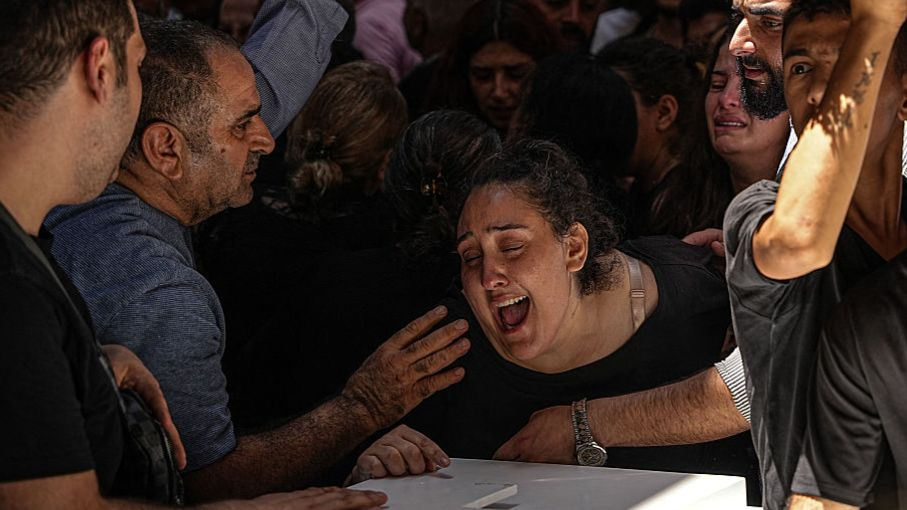
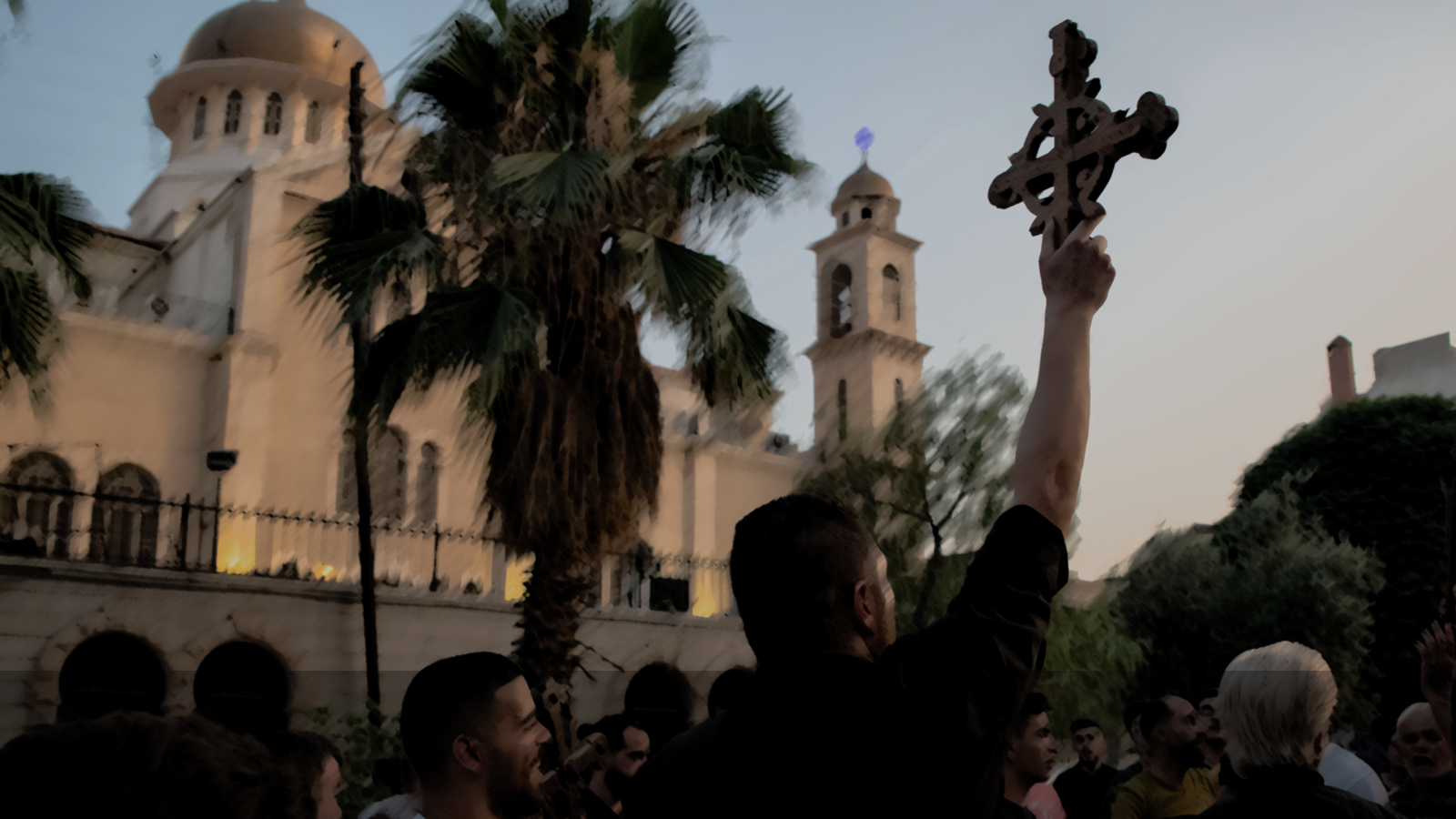
The West congratulates itself for the fall of Bashar al-Assad, yet rarely acknowledges that it was Western strategy; sanctions that strangled civilian life, covert support for Islamist factions, and diplomatic indifference to minority rights—that helped shatter the fragile mosaic in which Christians had survived. Churches became battlefields; villages that had spoken Aramaic since antiquity were emptied; families whose ancestors endured Ottoman massacres and Baathist repression were forced once again onto the roads of exile.
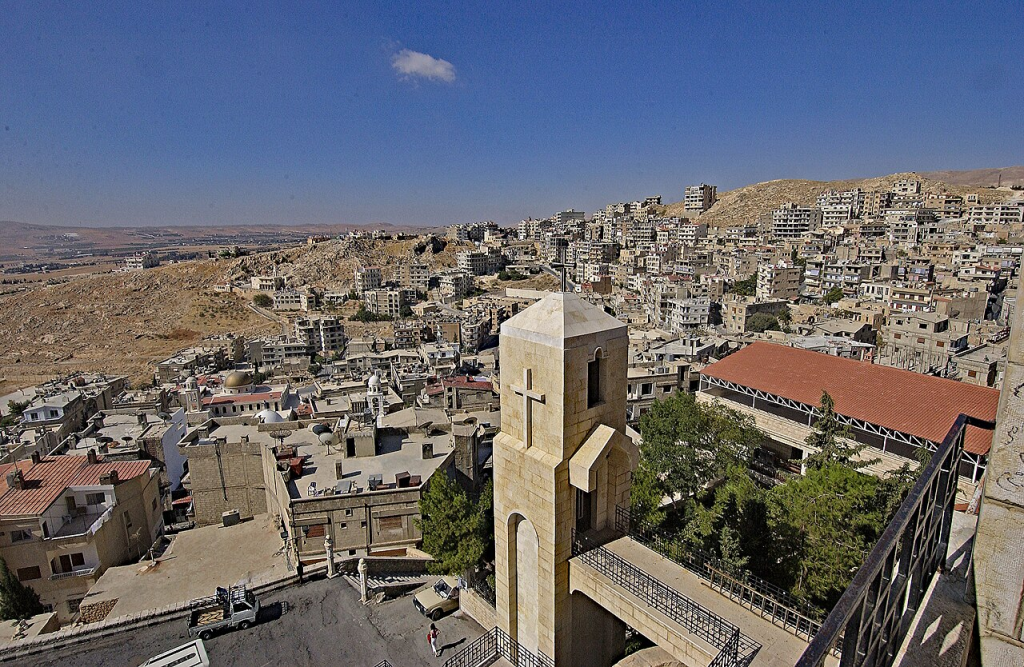
In northwestern Syria one small congregation embodies this ordeal. Their church was closed by the Assad government in 2021, part of the regime’s suffocating control over independent civic life. After their pastor died, the faithful met secretly in homes for three years, praying by candlelight while militias fought outside and foreign powers bargained over Syria’s corpse. “We loved each other deeply and stayed united during the closure,” a member recalled. Their consolation was not in geopolitics but in Scripture: “In all these things we are more than conquerors through him who loved us.” Victory, for them, meant spiritual endurance while the world beyond their doors decided Syria’s fate.
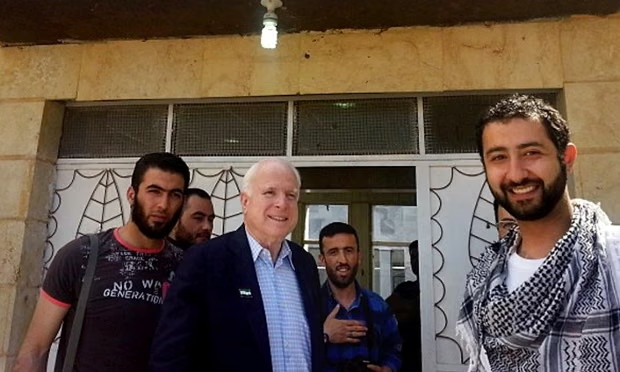
When Assad was overthrown in December 2024, many in Washington declared a new dawn. Yet the victors were not liberals but Hayat Tahrir al-Sham, an Islamist movement with roots in al-Qaida. The church reopened on January 12, 2025, its walls repaired with the meager savings of parishioners who purchased batteries for electricity and swept away the dust of war. Joy mingled with fear. The new authorities now control the security services, the army, and the interim government, and they have begun to reshape public life along religious lines: Quranic instruction in schools, prayer spaces in universities, Islamic pamphlets distributed in historically Christian quarters. Pastors report chilling warnings: “Just wait until we get our feet on the ground; then we will deal with the Christians.”
One Christian leader, in the Christian town of Saidanya, noted with much concern how Christians can survive in the new land, not aided by the West or by any other countries, while Gulf states, Turkey, and the United States supported the current regime's Islamic program.
In 2015, the Islamic State attacked 34 Christian Assyrian villages, slaughtering residents and abducting hundreds of women, children, and elderly people. The response from the West was both inadequate and unjust. Rather than prioritizing efforts to secure the release of the hostages, U.S. authorities questioned Assyrian organizations about their determination to assist in freeing their own people. The Assyrian bishop who played a central role in rescuing hundreds of captives remained resolute, declaring that he had a sacred obligation to care for his flock. What occurred in Syria, the bishop said, “was between me and my God” (The Times, July 13, 2019). The attempt by Western authorities to prosecute this bishop, contrasted with Washington’s later embrace of a former al-Qaeda leader, reveals a profound hypocrisy that risks further eroding U.S. credibility in the region. “Every day we are being forced to accept that we cannot rely on Washington,” said a Chaldean activist who requested anonymity.
Washington, which once invoked the language of protecting minorities, now treats these voices as an inconvenience to its latest experiment in “stability.” The same capitals that promised to safeguard Iraq’s Christians after toppling Saddam Hussein watched them dwindle from 1.5 million to a few hundred thousand. Syria appears destined for the same abandonment.
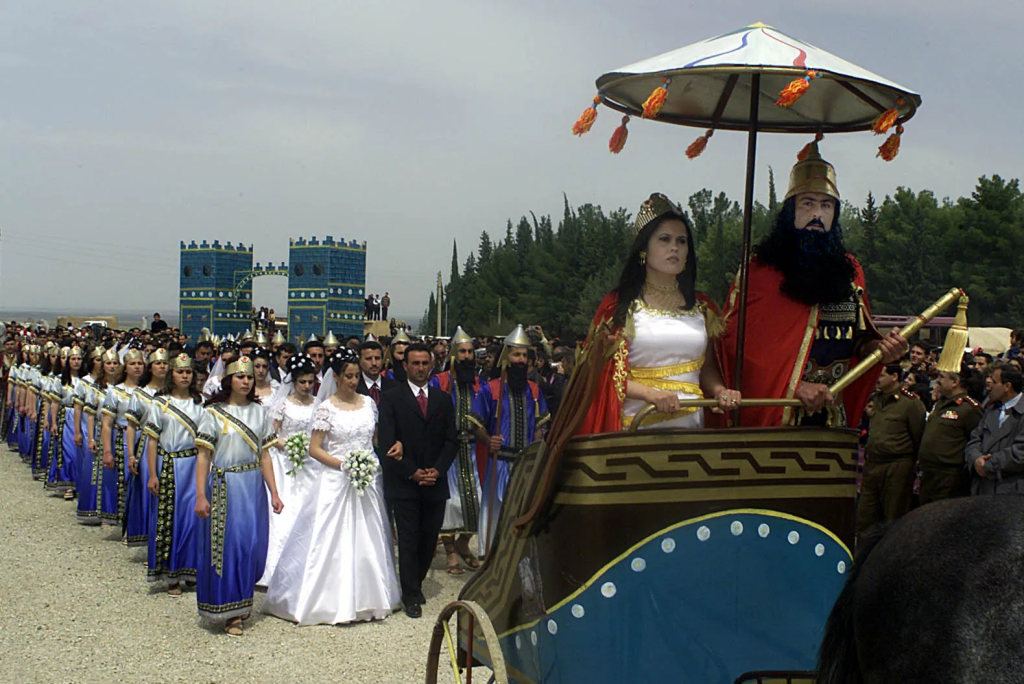
The situation of the Assyrian Christians of Syria exposes the hollowness of Western rhetoric and Washington's destructive policies. American officials speak of human rights while embracing new strongmen; they mourn terrorism yet empower ideologies that incubate it. The chaos that expelled hundreds of thousands of Christians from Syria is not an unfortunate by-product but a foreseeable result of policies that treated the Middle East as a chessboard, with complete disregard for Syria's Christians, rather than a civilization of living communities. These policies, it is very apparent, are not guided by any ethical consideration or the desire of Middle Eastern Christian communities that seek to live in peace in their collective interests, and in the interests of peace and harmony in the region and the world.
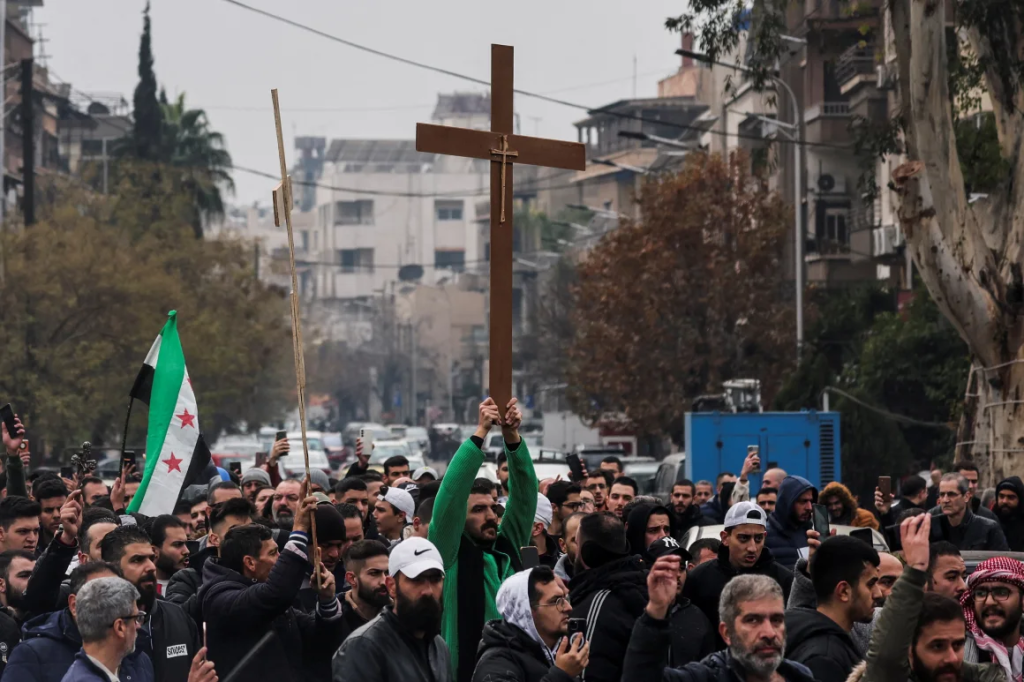
Washington will not act decisively unless it is confronted by an organized, confident, and united coalition of Middle Eastern Christians. This community, now dispersed across the globe, numbers in the hundreds of thousands and possesses significant economic, professional, and political influence. If mobilized strategically, it can help steer U.S. policy in a more just and constructive direction while compelling governments in the Middle East to recognize Christians as a consequential social and political force rather than a vulnerable minority pleading merely for survival.
Middle Eastern Christians offer the region an asset few others can match: extensive worldwide networks capable of attracting investment, expertise, and diplomatic engagement. Properly harnessed, these connections can foster stability and prosperity and serve as a living bridge between East and West. Such a role would not only strengthen their ancestral homelands but also reshape international perceptions of the Middle East as a space for pluralism and cooperation rather than perpetual conflict.
Achieving this requires a new spirit of assertiveness and a coherent, region-wide strategy. Progress for one community, such as the protection and empowerment of Syria’s Christians, will inevitably reinforce the security and status of Christians elsewhere. In turn, diaspora communities, regardless of how they choose to identify, will gain renewed credibility and leverage to advocate for their people, to elevate their own standing abroad, and to press the United States toward a more ethical and consistent foreign policy. The moment demands organization, confidence, and the will to act collectively rather than accept marginalization as inevitable.