


“Sensitive” Calls Between Trump, Barzani, and Talabani
March 3, 2026 – 14:38
The American website Axios revealed “sensitive” contacts conducted by President Donald Trump with the leaders of the two main Kurdish parties in Iraq, Masoud Barzani and Bafel Talabani, following the launch of the American-Israeli campaign against Iran. The move reflects serious consideration of the “Kurdish card” within calculations for the next phase of the war.
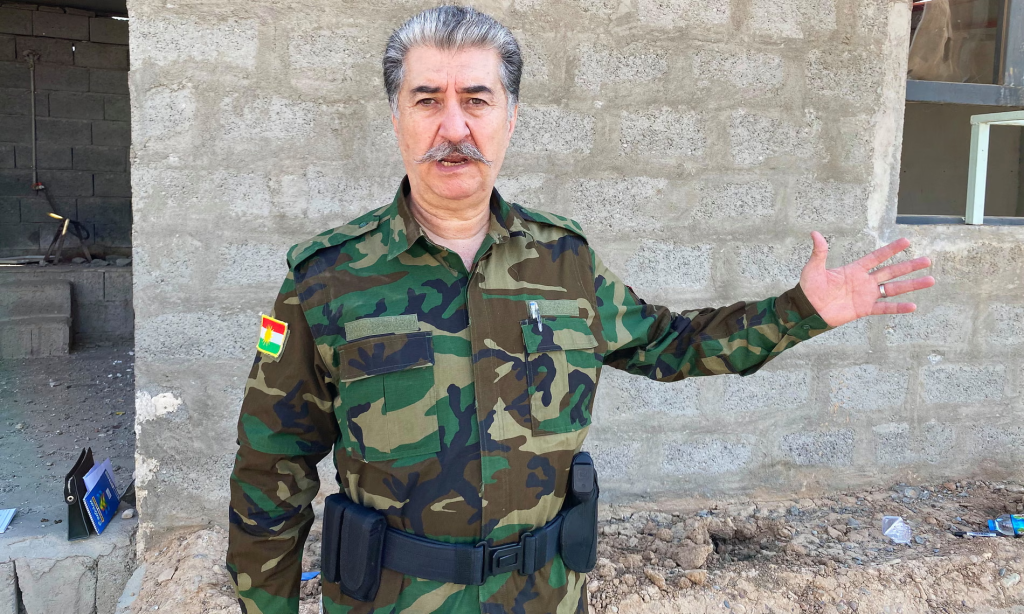
According to the report, these contacts culminated months of efforts driven by Israeli Prime Minister Benjamin Netanyahu, who, according to officials, is betting on the possibility of a “Kurdish uprising” inside Iran. This assessment rests on the presence of thousands of Kurdish fighters along the Iran-Iraq border, the combat experience of the Peshmerga forces, and Iraqi Kurdish relations with Iran’s Kurdish minority.
This comes as five Iranian Kurdish opposition groups that sought refuge in Iraq announced the formation of a political coalition to confront Tehran. This development raises questions about whether the airstrikes may be accompanied by indirect ground movement or support for an internal Kurdish mobilization inside Iran. The scenario recalls the U.S. model in Afghanistan in 2001, when intensive air cover was provided to local ground forces to help topple the Taliban regime.
It is reported that President Trump held a phone call Sunday with Kurdish leaders in Iraq to discuss the U.S.-Israeli war with Iran and possible developments, according to three sources familiar with the calls who spoke to Axios.
Why it matters: The Kurds have thousands of soldiers along the Iran-Iraq border and control strategic areas that could become highly significant as the war develops. Iraqi Kurds also maintain close ties with the Kurdish minority in Iran.
Trump spoke with leaders of the two main Kurdish factions in Iraq, Masoud Barzani and Bafel Talabani, a day after the bombing campaign began Saturday, according to two sources.
A source familiar with the calls described them as “sensitive” and declined to provide further details.
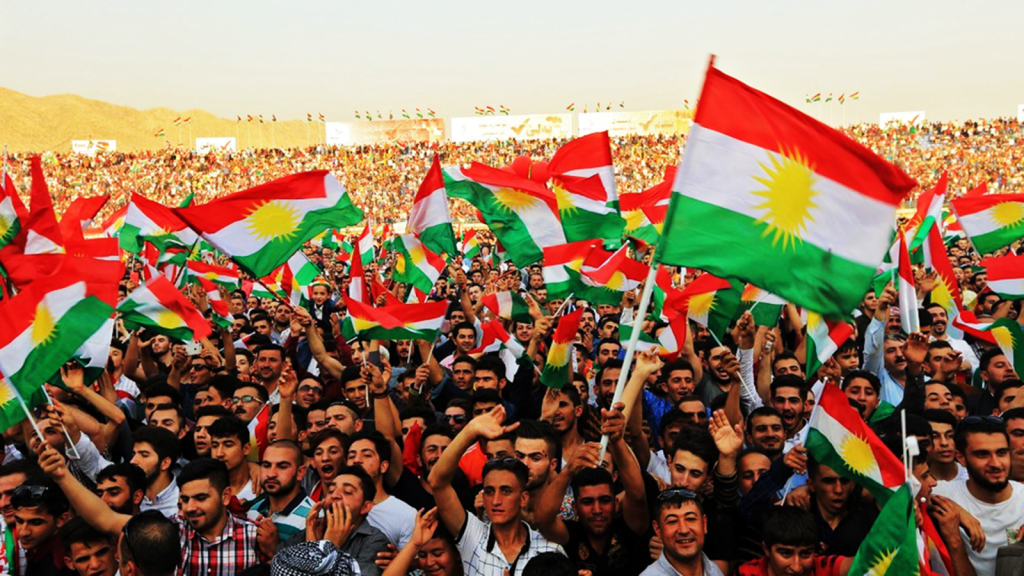
“There is a view, and certainly Netanyahu’s view, that the Kurds will suddenly emerge… and rise up.”
Another source said these calls capped months of intensive efforts by Prime Minister Benjamin Netanyahu. Israel has maintained close security, military, and intelligence ties with Kurds in Syria, Iraq, and Iran for decades.
An official stated: “There is a view, and certainly Netanyahu’s view, that the Kurds will suddenly emerge… and rise up.”
Netanyahu, who “left no stone unturned” in urging strikes and regime change in Iran, defended the Kurds for the first time during a White House meeting with Trump.
The official added: “When he came and sat with Trump for hours, you thought Netanyahu had put together a meticulous plan.”
“He had prepared his successor. He understood the Kurds completely: two Kurdish groups here and there. All these people would rise up.”
When asked specifically about Trump’s calls with the Kurds, White House Press Secretary Karoline Leavitt declined to discuss details.
She told Axios: “President Trump has been in contact with many allies and partners in the region over the past few days.”
On Sunday, the Kurdistan Freedom Party, an Iranian Kurdish opposition group based in the Kurdistan Region of Iraq, accused Iran of launching a missile and drone bombardment campaign.
Six days before the outbreak of war, five Kurdish opposition groups that had sought refuge in Iraq announced the formation of the Coalition of Political Forces in Iranian Kurdistan to fight Iran.
In the 2001 war in Afghanistan, the United States similarly used intensive air support to cover the maneuvers of ethnic minority fighters on the ground to help overthrow the Taliban regime.
The Kurds have a hostile relationship with Turkey, a U.S. ally in NATO, which could complicate matters.
The source said: “The president is talking to everyone—the Kurdish leaders and Turkish President Recep Tayyip Erdoğan.”
Last week’s announcement of the Coalition of Political Forces in Iranian Kurdistan also caused tensions with an exile group led by former Iranian Crown Prince Reza Pahlavi.
The situation on the ground impacts much of the Middle East at this time, and certainly the Chaldean Syriac Assyrians, who have been benefiting from the stability that is now shattered. Their future, and the future of so many groups, like the Kurds, is now uncertain.
What’s next? While U.S. policymakers believe Netanyahu may have overestimated the number of Kurds willing to take up arms against Iran, one official said: “They are not insignificant.”
The official added: “As for their role in the war or in post-war Iran, that is beyond my remit.”
Source:Axios.